


Martinique: Creole Culture, Cuisine & Island Adventure (Updated)
Martinique is a vibrant blend of French elegance and Caribbean soul. From the bustling markets of Fort-de-France to the wild beauty of Mount Pelée, the island offers a rich tapestry of Creole culture, music, and cuisine. My Caribbean Moments invites you to discover Martinique’s festivals, flavors, and hidden escapes—where every moment is infused with joie de vivre.

History and Culture
The past here isn’t a neat timeline; it’s a patchwork of indigenous Carib roots, echoes of colonial tussles, and hints of African traditions that keep reappearing. Even though the island is officially French, there’s a constant, lively mix with Creole traditions. Take a leisurely stroll through Fort-de-France – the capital’s markets bustle with energy, boutiques hide unexpected treasures, and historical landmarks seem to murmur stories from long ago. Every now and then you might catch a festival that, in most cases, feels like a spontaneous burst of music, dance, and art, all resonating with both French and Creole influences.

Festivals and Events
Join the spectacle of Martinique Carnival, savor the flavors at Fête du Rhum, and dance at jazz festivals. Local fêtes and Creole food fairs fill the calendar with music, color, and community.
Must-Do Experiences
A trek up Mount Pelée isn’t just another hike – it’s an adventure with jaw-dropping views and whispers of history along the trail. Over at Les Salines Beach, a strip of white sand and shimmering turquoise waves awaits, perfect for a lazy afternoon that might just turn into a memory you revisit. And if an oasis of color is more your speed, Balata Garden offers winding paths amid exotic plants and surprising vistas that seem to change with every step.
Family Travel Experiences
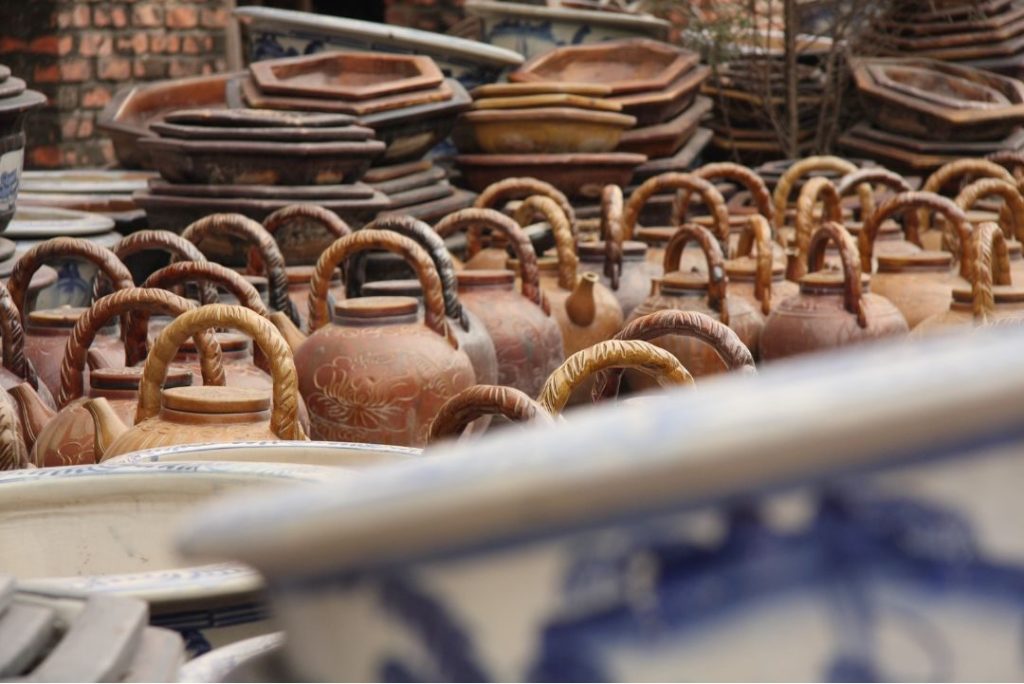
For families looking for a mix of fun and learning, the Zoo de Martinique offers not only a peek at local wildlife but also some delightfully lush green spaces for everyone to enjoy. Then there’s Le Village de la Poterie, where you can get your hands (a bit) dirty in traditional pottery workshops and crafts that bring the island’s culture to life in a uniquely interactive way.
Local Cuisine & Where to Eat
Taste accras de morue (cod fritters), Colombo curry, and boudin créole at market stalls or seaside cafés. Visit rum distilleries, join a Creole cooking class, or sample street food in bustling towns for an authentic flavor of the island.
Hidden Gems & Off-the-Beaten-Path Adventures
Hike to the summit of Mount Pelée, snorkel at Anse Dufour, or explore the lush Balata Gardens. Discover historic plantations, quiet fishing villages, and secret coves along the coast.
Sustainable Tourism & Community Initiatives
Martinique supports eco-tourism with nature reserves, organic farms, and community-run tours. Choose eco-lodges, support local artisans, and join environmental projects for responsible travel.
FAQs
- When is Carnival? February/March, with events leading up to Lent.
- What are must-try dishes? Accras, Colombo curry, boudin créole.
- How can I travel sustainably? Use local guides, support eco-lodges, and respect protected areas.
Best Photo Ops
If you love snapping pictures, Sainte-Anne Commune serves up a casual mix of lively seaside scenes and serene coastal backdrops that feel almost painterly. Then there’s Diamond Rock – a dramatic little islet plucked out of the sea that offers views you won’t soon forget. And wandering through the broken streets at the Saint-Pierre ruins, once lovingly called the “Paris of the Caribbean,” you’ll find a raw kind of beauty that’s hard to put into words.

Unique Souvenirs
Bring a little piece of Martinique home with you. Rhum Agricole, crafted from the island’s very own sugarcane, captures that distinctive taste perfectly. Explore local markets for Creole spices and jams that pack in the flavor, or pick up a piece of traditional Madras Textiles – those vibrant, patterned fabrics that make great mementos or thoughtful gifts.
Money and Currency Information
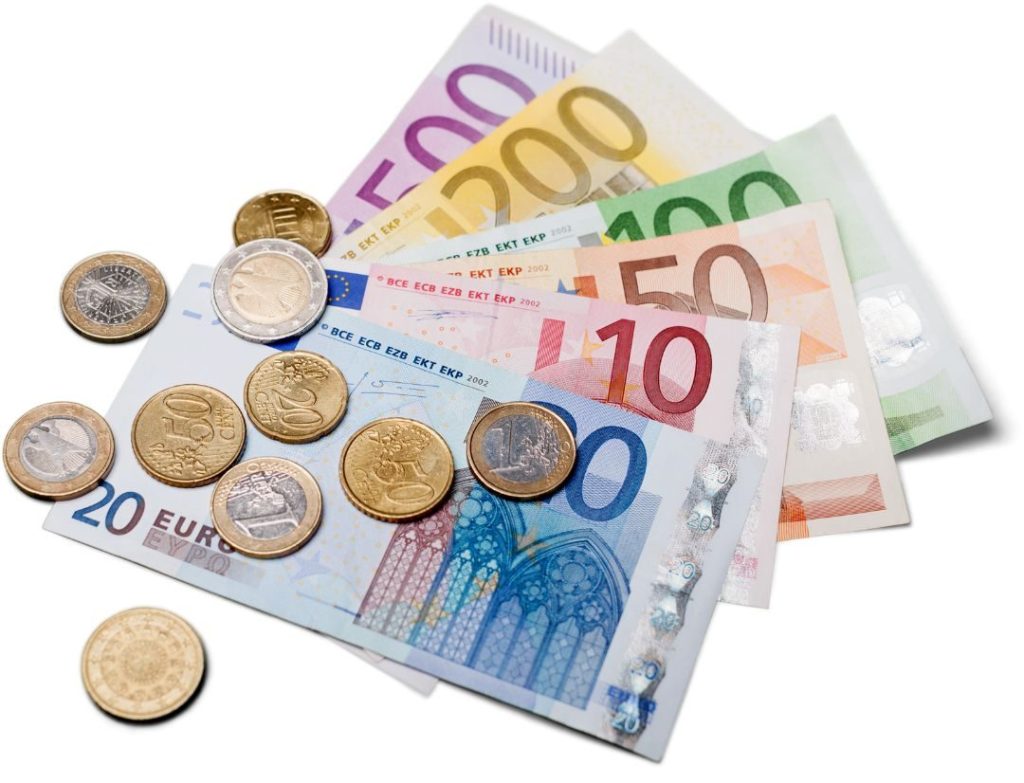
The island uses the Euro (EUR), so transactions are smooth and, you might say, elegantly European even in this tropical locale.
Climate
Expect a tropical feel here; generally speaking, the weather dances between a dry season (December to May) and a wetter span (June to November) when the rains make their entrance, sometimes unpredictably.
Electricity
Power here runs at 220V, and you’ll find that Type C and E plugs are the norm – so if your gadgets aren’t built for this, a travel adapter becomes a must-have.
Technology & Communication
Mobile networks and internet access are well in place, particularly in the tourist hubs, making sure you can share your adventures without a hitch.
Language
French is the official language, yet Creole phrases weave through everyday chatter. In the main tourist spots, you’ll also find that English is understood, even if it pops up in a quirkily casual manner.
LGBT Travel
Martinique tends to be welcoming and open-minded. While urban areas tend to be more relaxed, it’s wise to be a bit cautious in the quieter, rural parts.

Religion
The island is mostly Roman Catholic, with many festivals and events that celebrate religious traditions. These events add another layer of meaning to the island’s rich cultural tapestry.
Getting There
Aimé Césaire International Airport, near Fort-de-France, connects Martinique with a range of international destinations, making it a practical first step into this captivating mix of cultures.
Traveler Taxes and Visa Requirements
EU citizens can usually travel without worrying about a visa, but if you’re visiting from elsewhere, it’s best to double-check the current requirements. A little extra planning here can go a long way.
Device Restrictions
A quick note for visitors carrying American electronics: ensure you have the right adapters to match the local voltage and plug types – a small detail that can sometimes cause unexpected hiccups.
Helpful Tips for Traveling Abroad
While planning your trip, don’t rely solely on digital backups; having printed copies of your reservations and itinerary can really save the day, especially if your phone decides to act up.
It’s also a smart move to leave photocopies of your government-issued documents with someone back home – just in case you find yourself in need of extra help later on.
It pays to secure your gear with TSA-approved locks—or even a sturdy strap if that’s what you have on hand.
Keep your meds, as well as those sentimental or costly items, right with you in your carry-on rather than risking them in checked bags.
If you’re traveling for a special occasion, don’t let your wedding dress or tuxedo end up in the baggage hold; it’s best to hand carry those prized outfits.
Most resorts do offer Wi‑Fi, but if you’re browsing off property, a VPN might be a smart idea, generally speaking.
Avoid taking resort-branded bags or water bottles into town—this can sometimes attract unwanted attention from folks who claim to work for the resort. It also helps to keep your wristband a little less visible.
On a related note, opting for a guided tour from a trusted Destination Management Company can save you some hassle; you can often book these trips ahead of time via websites like Viator, and many all-inclusive resorts even have their preferred DMC waiting for you in the lobby.
For your own peace of mind, lock up your valuables and important documents in the in-room safe, and snap a photo of what you’ve stored before you head off.
Many resorts now set have water bottle filling stations, so sticking to bottled water is the way to go. And if you do end up feeling ill, drop by the on-property doctor instead of trying to tough it out and risking your entire vacation.
Before you settle in, check whether your resort has an app on your phone. They can offer quick ways to reach the front desk, help you find your way around, or even sort out dinner reservations—take, for instance, https://www.iberostar.com/en/app-iberostar/ as a useful example.
Thanks for reading Martinique Bound: The Ultimate Travel Guide for New Visitors—and here’s to your unforgettable Caribbean moment in Martinique!


