Martinique for Slow Travelers: Creole Flavor, Garden Walks, and Beach Days Without the Rush
Martinique has a way of feeling both familiar and entirely its own. There’s the French-Caribbean blend you notice in the detailsthe bakery window in the morning, the cadence of conversation, the way rum culture is treated as heritage, not just a souvenir. But what makes Martinique especially rewarding is how well it suits a slower pace. The island doesn’t need you to chase it. It opens up when you linger: at a market stall, on a garden path, over a long lunch that turns into a late afternoon.
This guide is for travelers who want Martinique to feel layered, not rushed. Youll find a culture-first itinerary built around food, gardens, coastal villages, and beach time that actually feels restfulplus practical tips to help you plan smoothly and travel respectfully.
Why Martinique is perfect for slow travel
Martinique rewards travelers who choose depth over speed. You can absolutely do the highlights, but the islands real charm is in the everyday: a morning market, a quiet village road, a beach you return to twice because it felt that good.
Slow travel works here because:
- Food culture is central. Meals are a lens into history, agriculture, and identity.
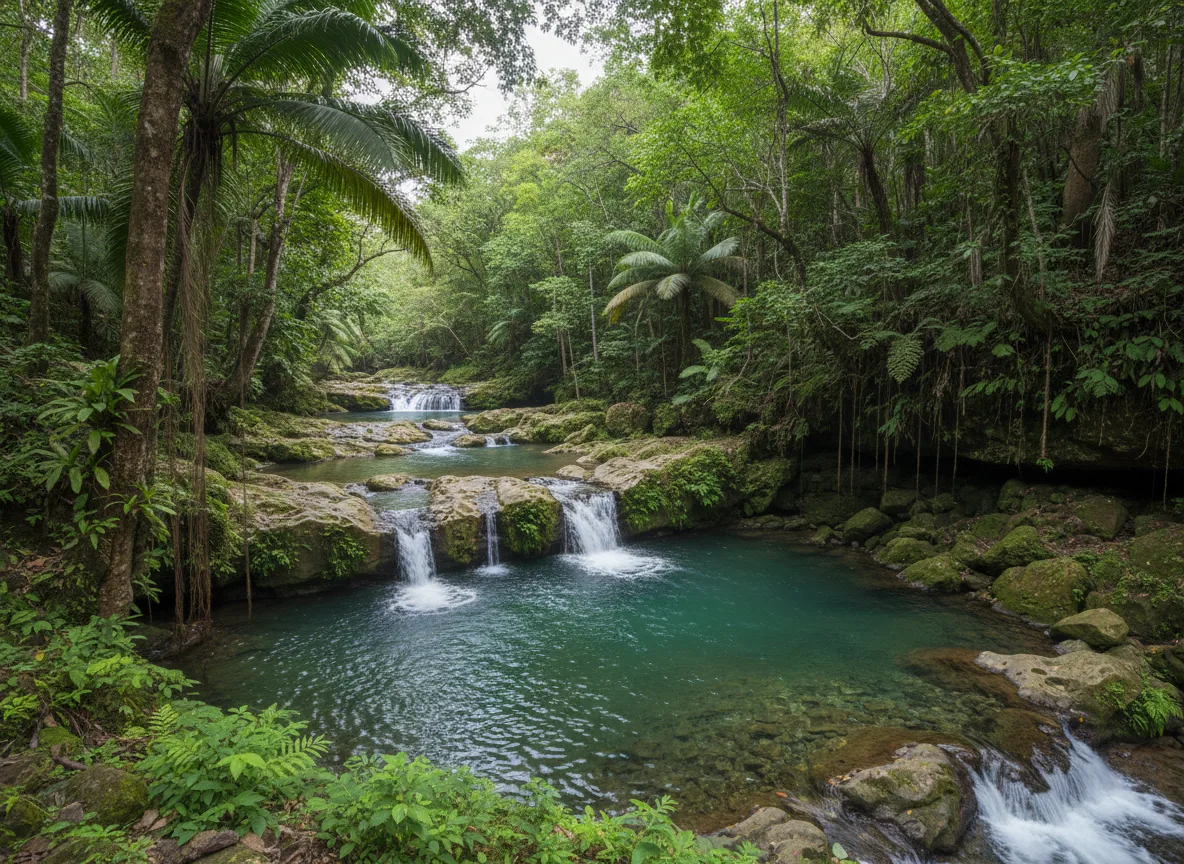
- Nature is gentle and accessible. Gardens, coastal walks, and scenic drives fit easily into unhurried days.
- You can build a trip around a few anchors. One market day, one rum-heritage day, one garden day, and plenty of breathing room.
Where to base yourself (and how to keep the trip simple)
Martinique is manageable when you choose one primary base and do day trips.
Fort-de-France area (culture + convenience): Best for travelers who want markets, museums, and city energy in small dosesplus easy access to different parts of the island.
South coast base (beach-forward + easy day trips): Ideal if you want calm beach time with access to villages, scenic stops, and good dining.
North/central base (nature + quieter rhythm): A strong choice if your priority is rainforest air, gardens, and a more local, low-key pace.
Slow-travel tip: choose a base that matches your energy, then plan no more than one main outing per day.
A 5-day slow-travel itinerary for Martinique
This itinerary is designed to feel spacious. You can do it in five days by keeping outings short, or stretch it to seven by adding beach time and returning to favorite places.
Day 1: Arrive, orient, and take a slow first evening
- Check in and keep your first day intentionally light.
- Take a short walk to get your bearingsa waterfront stroll or a neighborhood loop.
- Choose a relaxed dinner where you can linger and ease into the islands cadence.
Slow-travel win: dont schedule a big excursion on arrival day. Let your body and attention settle.
Day 2: Market morning + Fort-de-France at human speed
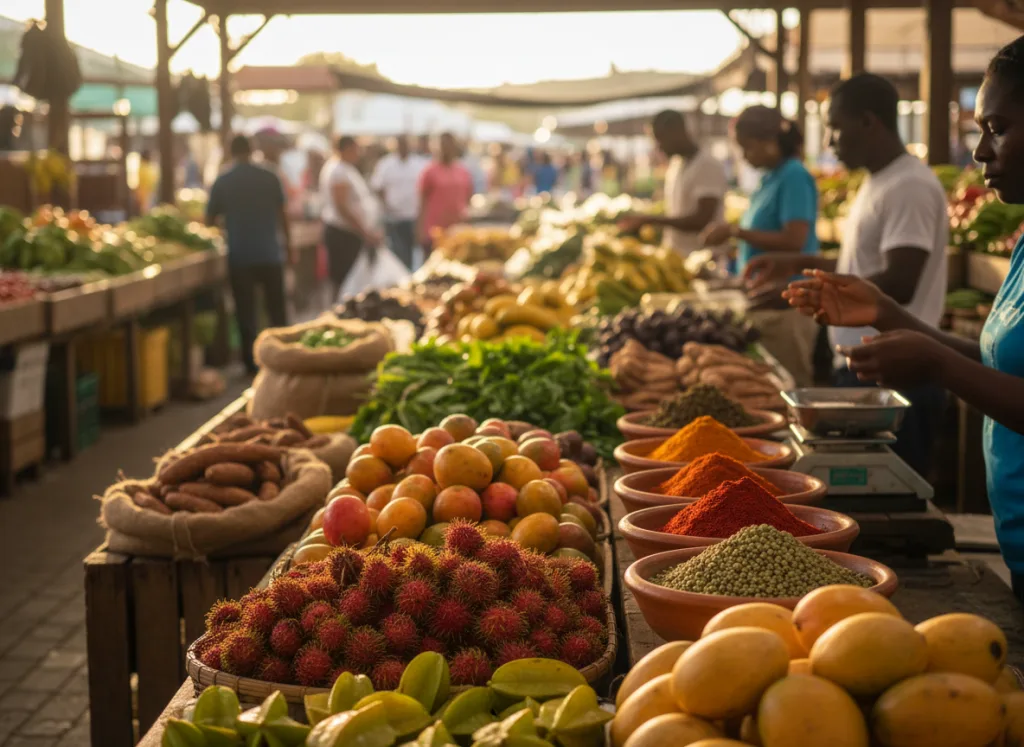
- Start with a market morning: go early, go curious, and give yourself time.
- Look for tropical fruit, spices, local snacks, and everyday ingredients.
- Spend the afternoon with one cultural stopa museum, a historic site, or a simple city walk.
Respect note: markets are working spaces. Ask before photographing people, and buy something if youre taking up time.
Day 3: Garden day + a long lunch
Martinique is made for slow, sensory days.
- Plan a botanical garden morning: take your time, read the signs, and walk at a pace that lets you notice details.
- Follow with a long lunchnot a quick bitesomewhere that feels local and unhurried.
- Keep the evening open for a quiet beach stop or a short sunset walk.
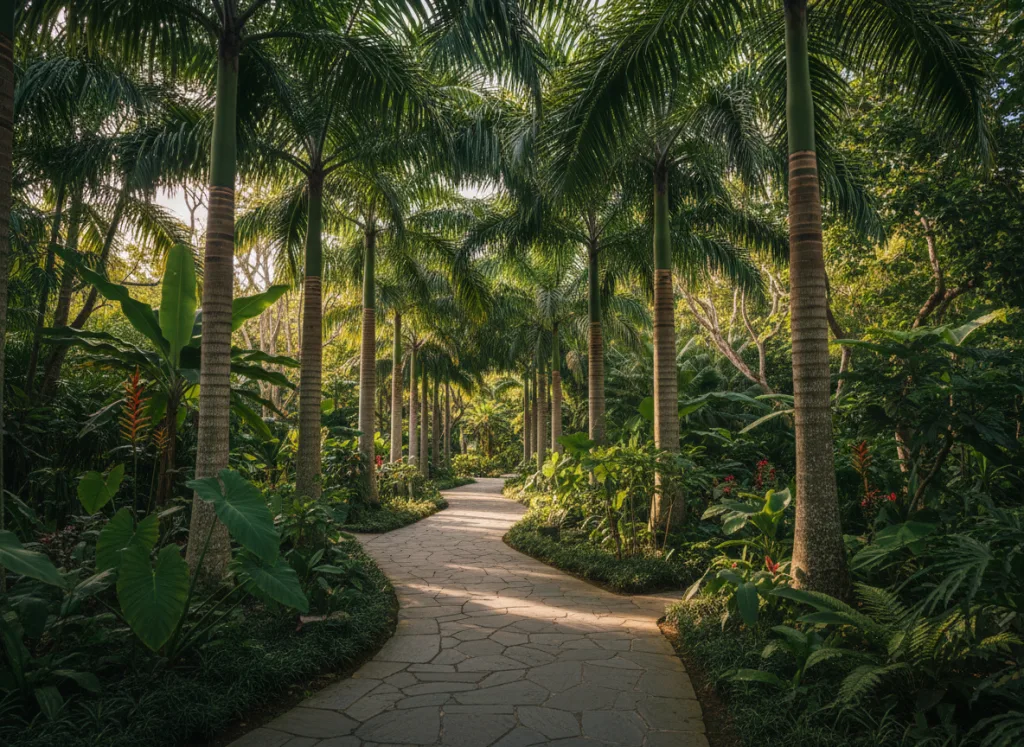
Slow-travel tip: a garden day is not a checklist day. Its a notice day.
Day 4: Rum heritage + small-village stops
Rum in Martinique is culture, agriculture, and history.
- Choose one rum-heritage experience and treat it like a story, not a shopping trip.
- Pair it with a couple of small scenic stopsno more than two or three.
- End with dinner that highlights Creole flavor.
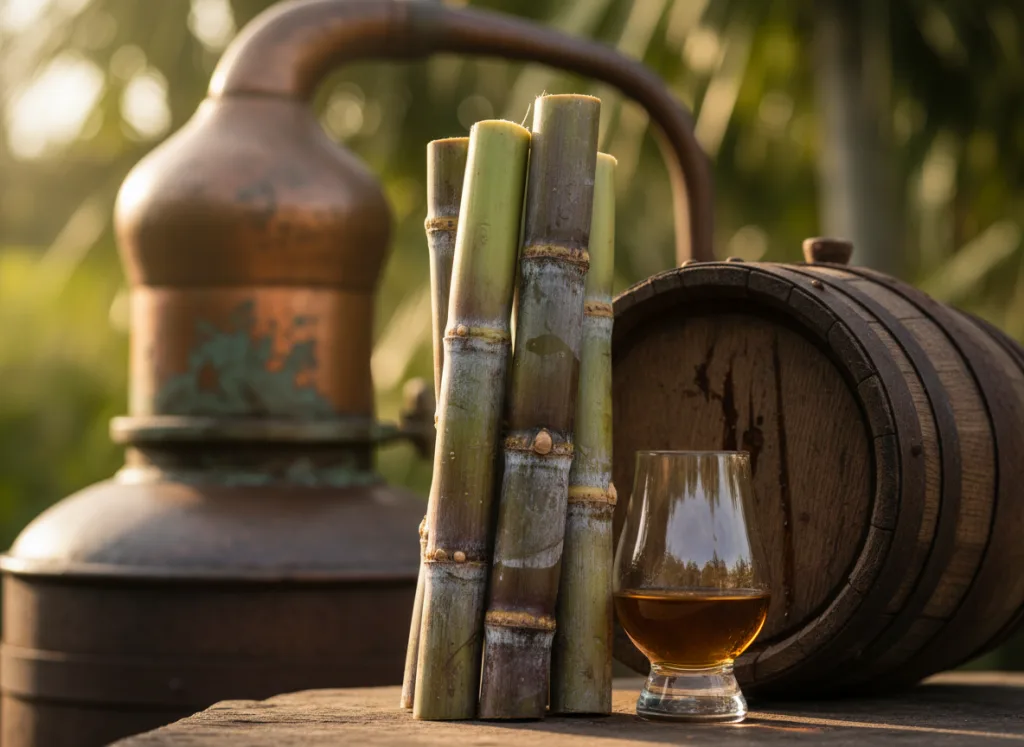
Respect note: pace yourself and stay mindful. The goal is appreciation, not excess.
Day 5: Beach day without the rush
- Start late and let the morning be slow.
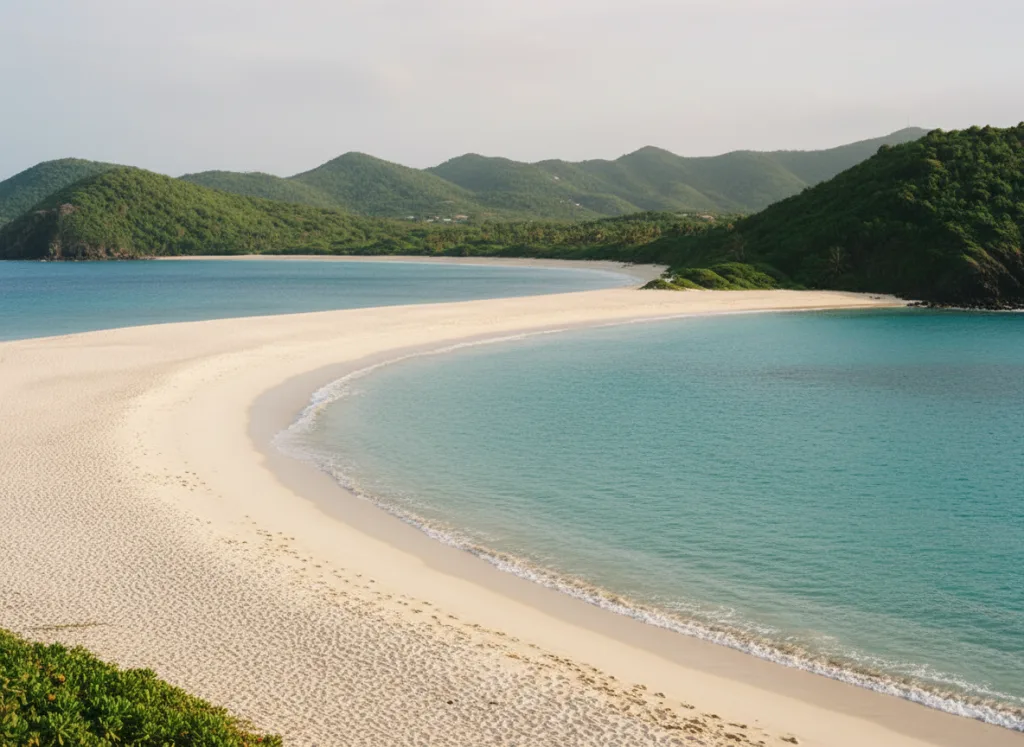
- Pick one beach and stay long enough to actually feel rested.
- Take a midday break for shade and lunch, then return for late-afternoon light.
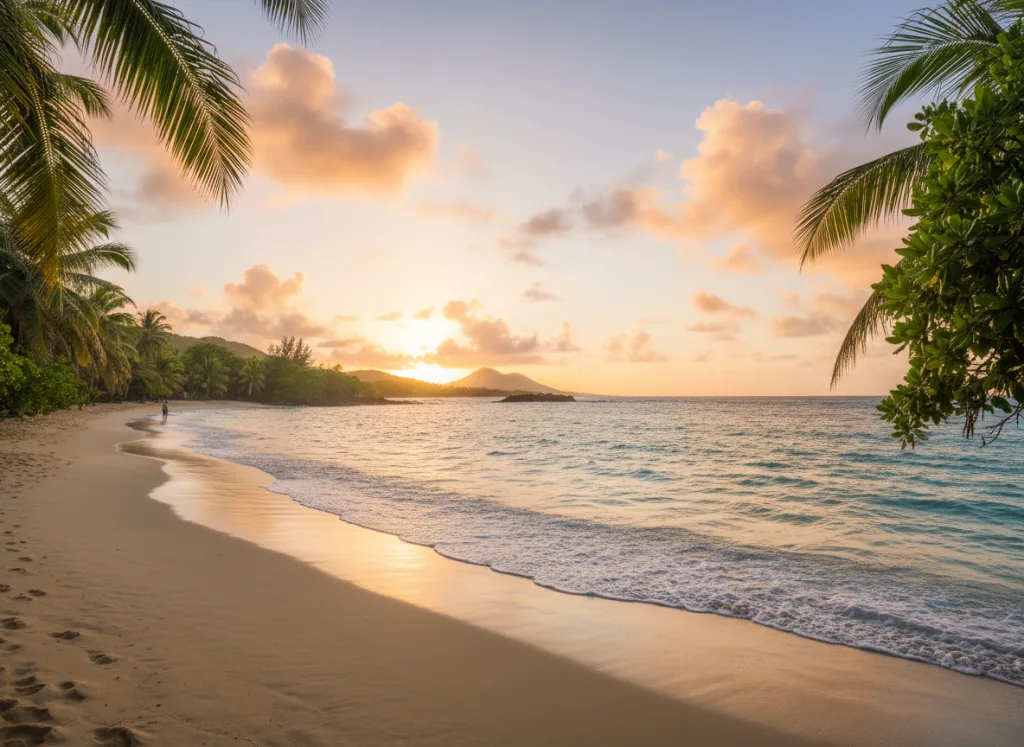
Slow-travel win: one beach done well beats three beaches done fast.
Optional Day 6: Coastal village day + repeat your favorite meal
- Choose a coastal village or small-town area and explore gently.
- Shop for a few thoughtful souvenirslocal food products, crafts, or small items youll actually use.
- Return to the restaurant you loved most. Repeating a place is one of the simplest ways to travel more slowly.
Optional Day 7: A favorite things day + soft landing
- Revisit your favorite beach or market.
- Keep the day light so your departure doesnt feel like a sprint.
- End with a final walk and a calm dinner.
What to eat and drink (Creole flavor + island context)
Martiniques food culture reflects its layered identityCaribbean roots, French influence, and a strong connection to local agriculture.
Look for:
- Creole dishes that highlight local spices and cooking traditions
- Fresh seafood prepared simply
- Local fruit and juices in season
- Rum heritage experiences that focus on craft and history
Ordering tip: ask whats seasonal and what locals order on an ordinary day. Then choose the dish that sounds like someones real lunch.
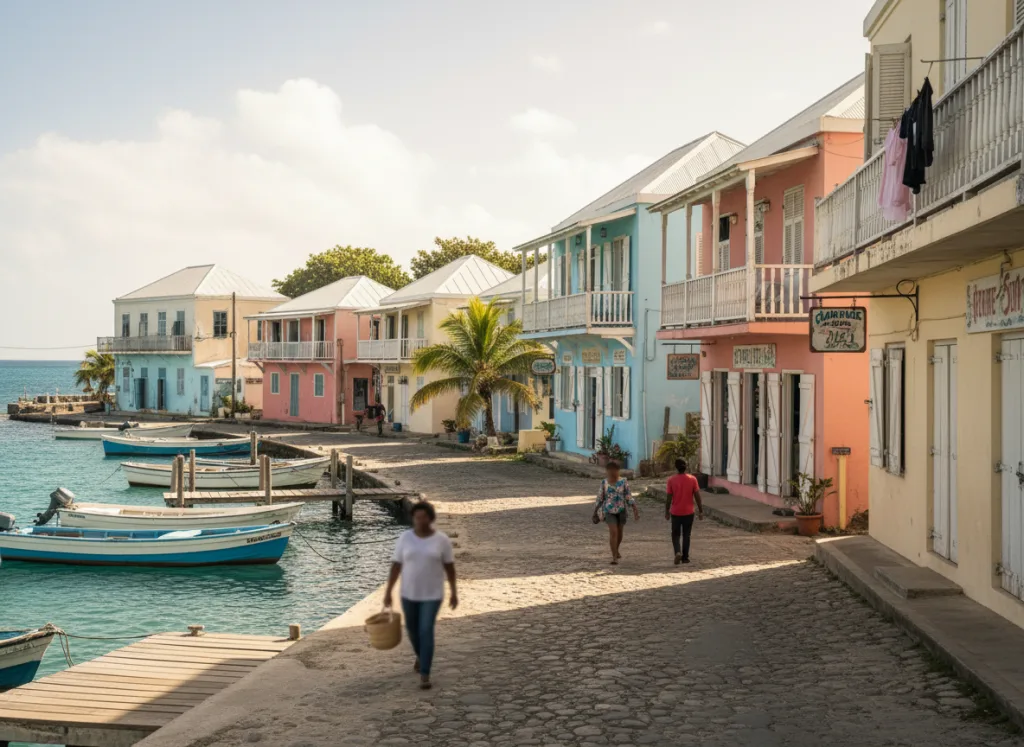
How to travel respectfully in Martinique
- Be mindful with language and tone. A polite greeting and a patient approach go a long way.
- Ask before photographing people. Especially in markets and small neighborhoods.
- Support local businesses. Choose locally owned restaurants, guides, and makers when possible.
- Dress with awareness off the beach. Beachwear belongs at the beach; towns and markets call for everyday attire.
Practical planning tips (transport, money, timing, safety)
Getting around: A rental car can make slow travel easier if you want flexibility, especially for garden and village days. If you prefer not to drive, plan a mix of taxis/drivers and a few well-chosen day trips.
Money: Carry some cash for markets and small vendors. Cards are common, but its smart not to rely on them everywhere.
Timing: Build buffer time into your days. Martinique is best when youre not watching the clock.
Safety: Use standard travel awareness: keep valuables secure, be mindful late at night in unfamiliar areas, and follow local guidance for sea conditions and weather.
FAQ: Martinique for slow travelers
How many days do I need in Martinique to travel slowly? Five days is a good minimum. Seven days is ideal if you want unhurried beach time plus culture and nature.
Do I need a car in Martinique? Not strictly, but it can make a slow itinerary easierespecially for gardens and village stops. If you dont want to drive, plan fewer regions and use local drivers for key days.
Is Martinique more culture or more beach? Both. The best slow-travel approach is to balance market and heritage days with beach days that actually feel restful.
Whats a must-do that still feels slow? A market morning, a botanical garden walk, and one rum-heritage experiencewith plenty of time around each.
How do I avoid a touristy trip in Martinique? Do less per day, return to places you enjoy, and prioritize everyday experiences like markets, local lunches, and village walks.
In Closing
Martinique has a way of meeting you where you areespecially when you give it time. When you travel slowly, the island becomes more than a checklist of beaches and big-name stops; it becomes a collection of small, meaningful moments you actually remember: a market conversation, a garden path that quiets your mind, a long lunch that turns into an afternoon, and a stretch of coast that feels like it belongs to the day. If youre planning your own culture-first Martinique escape, explore more destination guides and slow-travel stories here on My Caribbean Momentsand if youd like help shaping an itinerary that fits your pace, your interests, and the kind of Caribbean experience youre truly looking for, contact us to start planning and book your trip.