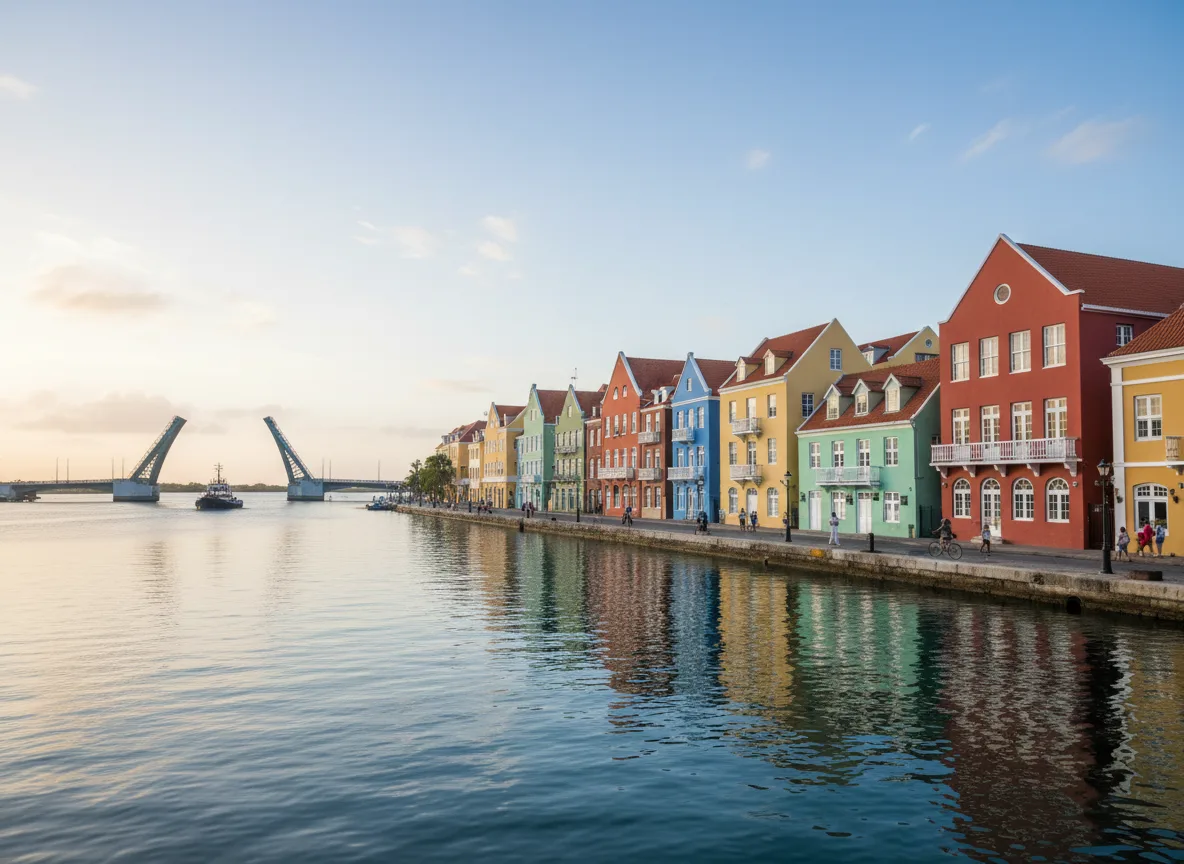
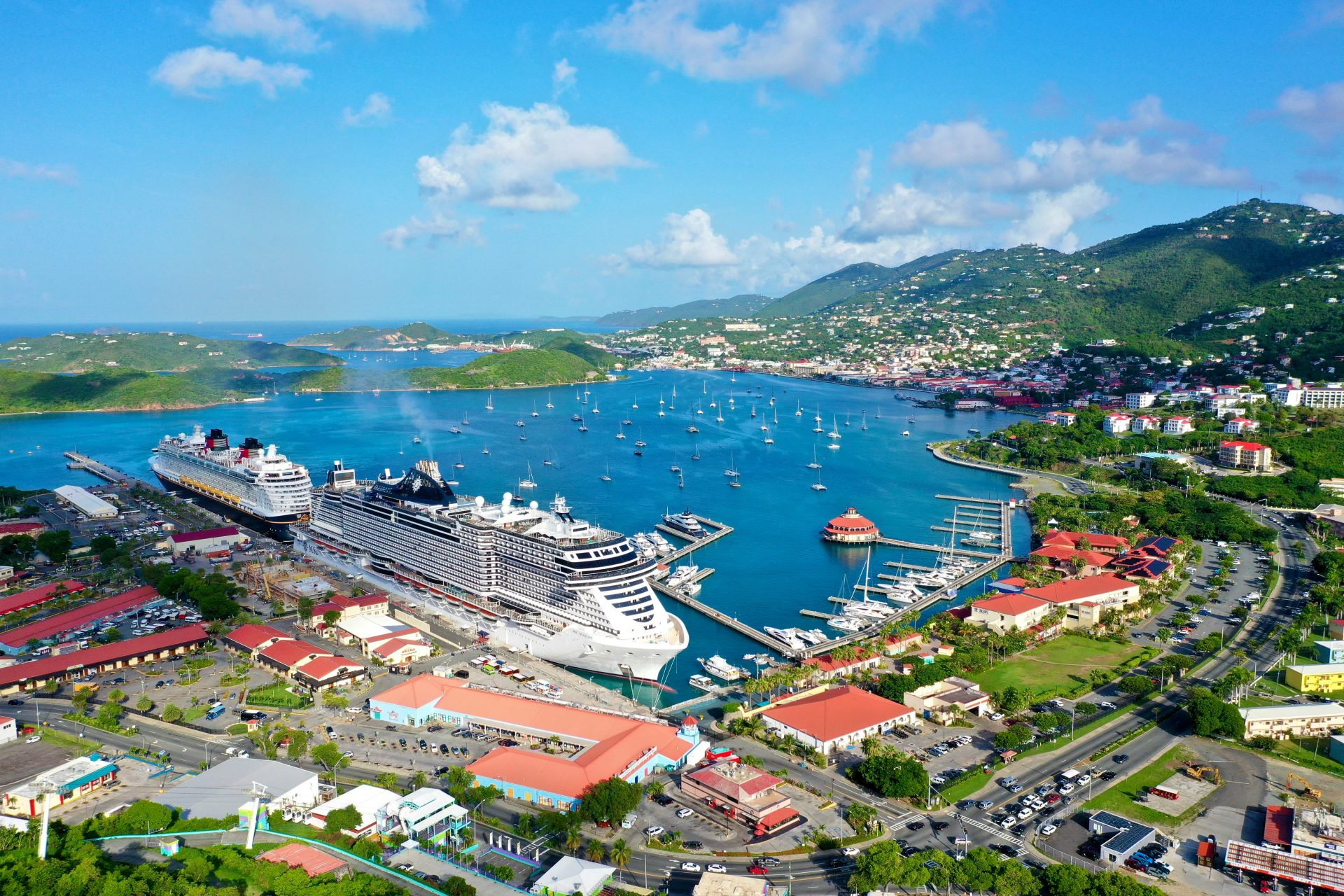
Belize for Slow Travelers: Garifuna Culture, Cayes Calm, and Inland Nature Days
Belize is the kind of place that feels like more than one destination at once. There’s the sea—calm, bright, and inviting—then the inland world of rainforest air, rivers, and ancient stories held in stone. And threaded through it all is culture: Garifuna heritage, Creole warmth, Maya history, and a daily rhythm that rewards travelers who arrive with patience and curiosity.
This guide is for slow travelers who want Belize to feel personal, not packaged. You’ll find a culture-first itinerary that balances caye time with inland days, plus practical planning tips to help you travel respectfully and comfortably—without trying to do everything at once.
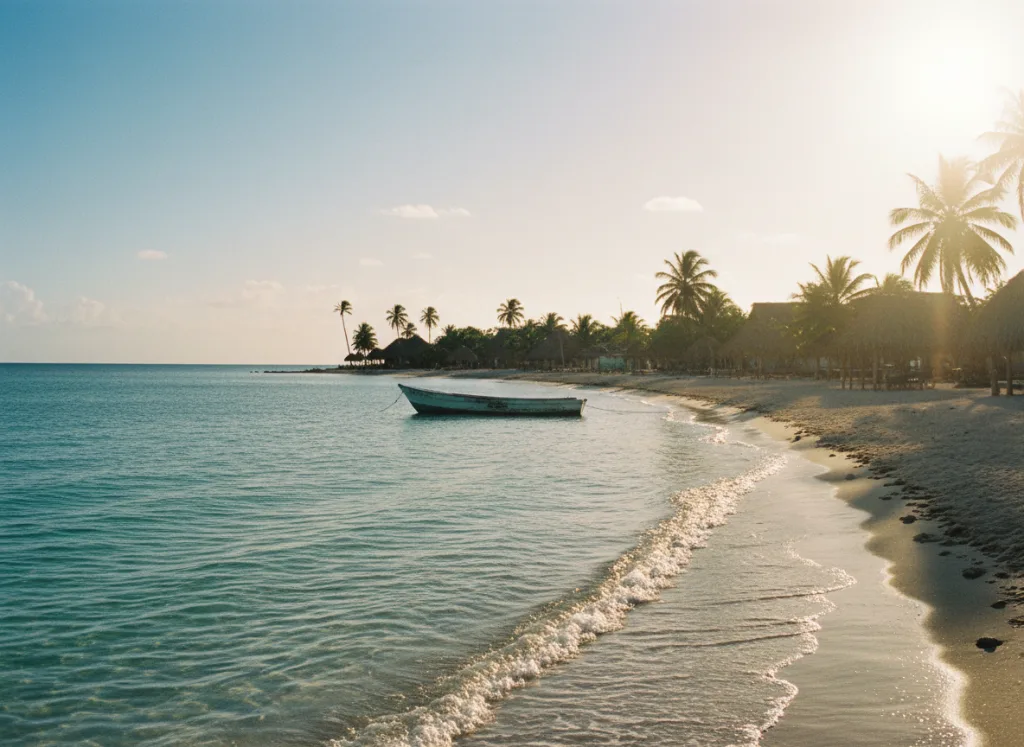
Why Belize works so well for slow travel
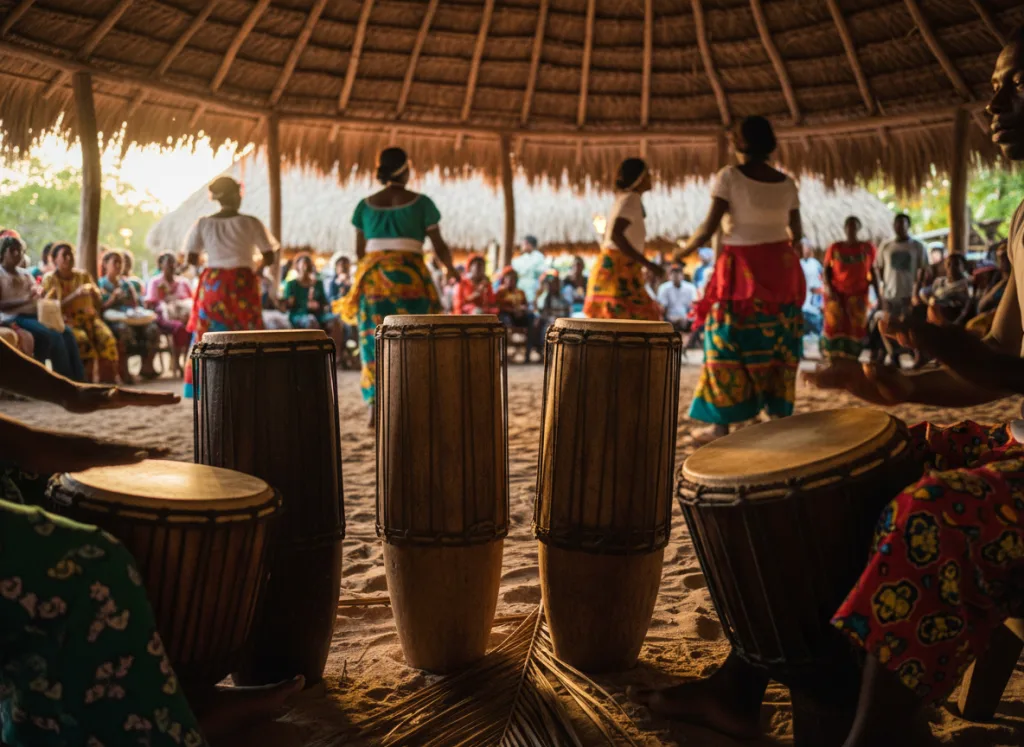
Belize isn’t built for rushing. Distances, transport, and the natural pace of daily life all encourage you to slow down—and that’s a good thing. The country’s diversity is also what makes it so rewarding: you can spend one day listening to drumming and learning about Garifuna traditions, and another day walking through a jungle trail that feels like it has its own weather system.
Slow travel fits Belize because:
- Culture is lived, not performed. When you show up respectfully, you can experience traditions in a way that feels grounded.
- Nature experiences are richer with time. Snorkeling, river days, and rainforest walks all feel better when they’re not squeezed between check-ins.
- You can build a simple two-base trip. A coastal/caye base plus an inland base is often enough for a full, satisfying week.
Where to base yourself (coast vs. cayes vs. inland)
A slow Belize trip usually works best with two bases—one for sea days and one for inland culture/nature.
Coastal village base (culture-forward):
Great if you want community feel, local food, and access to Garifuna cultural experiences without the constant movement of a “tour loop.”
Caye base (sea-first):
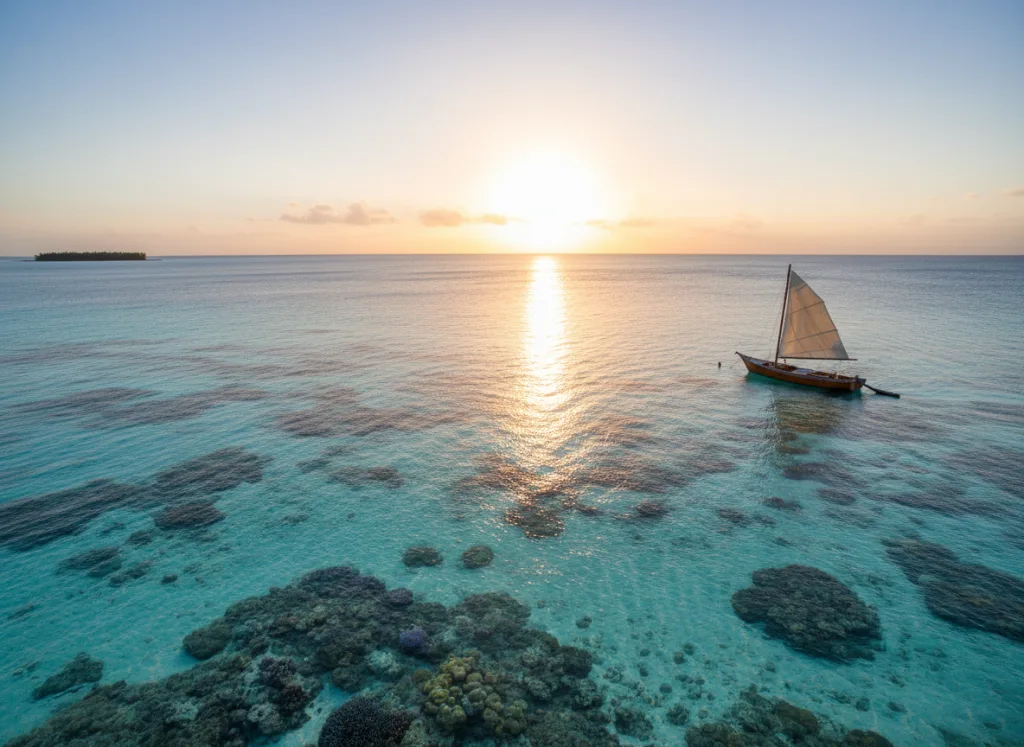
Best for travelers who want easy access to snorkeling/diving and a relaxed, barefoot pace. Choose a spot that matches your energy—some cayes are lively, others are quieter.
Inland base (rainforest + history):
Ideal for river days, caves, ruins, and a deeper look at Belize’s Maya heritage and natural landscapes.
Slow-travel tip: pick bases that reduce transit time. Belize is small on a map, but travel can take longer than you expect.
A 5–7 day slow-travel itinerary for Belize
This itinerary is designed to feel spacious and realistic. You’ll have time to actually enjoy what you planned—plus the flexibility to follow local recommendations.
Day 1: Arrive and settle into the pace
- Arrive, check in, and keep the first day intentionally light.
- Take a short walk, find a local place for dinner, and let your body adjust to the climate and rhythm.
- If you’re on the coast, end the day with a simple sunset moment—no agenda, just presence.
Slow-travel win: your first day is for grounding, not conquering.
Day 2: Culture-first day (Garifuna heritage + local food)
Belize’s cultural richness is a reason to travel here, not a side note.
- Plan a Garifuna-focused experience—music, drumming, storytelling, or food—through a community-based provider when possible.
- Pair it with a slow meal and time to talk with the people hosting you.
- Keep the afternoon open for a beach walk, a swim, or a quiet café moment.
Respect note: approach cultural experiences as learning, not entertainment. Ask questions with humility and listen more than you speak.
Day 3: Sea day—snorkel, sail, or simply float
- Choose one main water activity: snorkeling, a reef day, or a gentle boat outing.
- Build in downtime: a long lunch, a nap, and an unhurried evening.
- If you’re on a caye, let the day stay small—one excursion is enough.
Slow-travel tip: don’t stack two tours in one day. Belize’s best moments often come when you leave space.
Day 4: Transition day (move inland, then do less than you think)
If you’re doing two bases, today is your move.
- Travel inland and check in.
- Do one simple activity: a short town walk, a river-side meal, or a small local market stop.
- Early night, easy dinner.
This is how you keep your trip from feeling like a relay race.
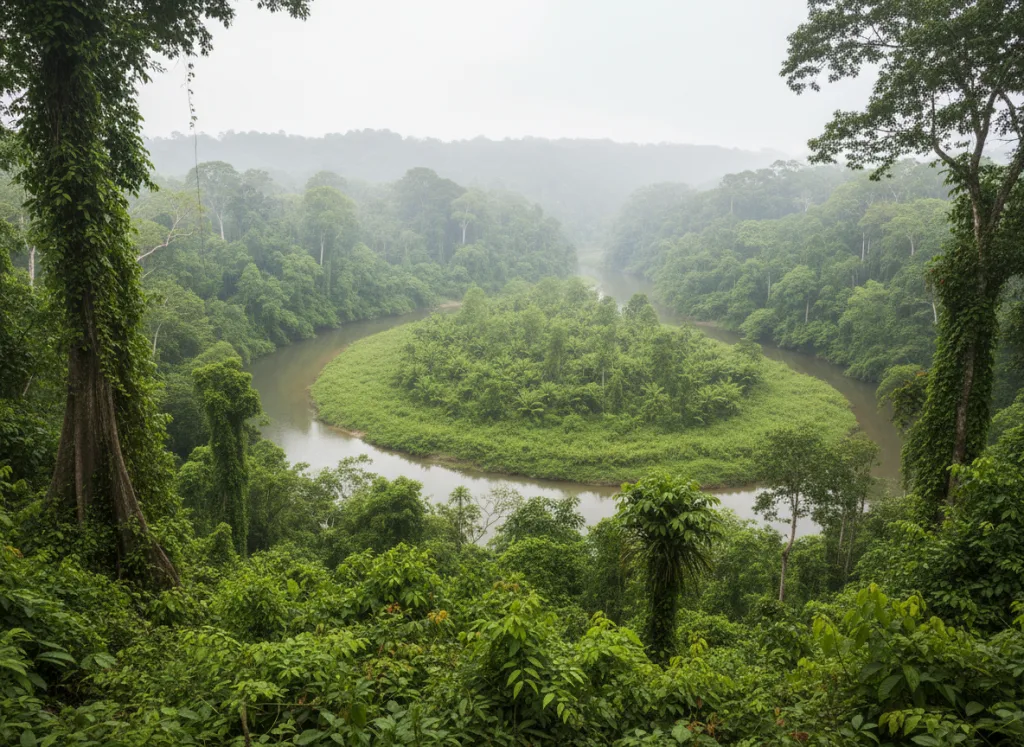
Day 5: Inland nature + history at a comfortable pace
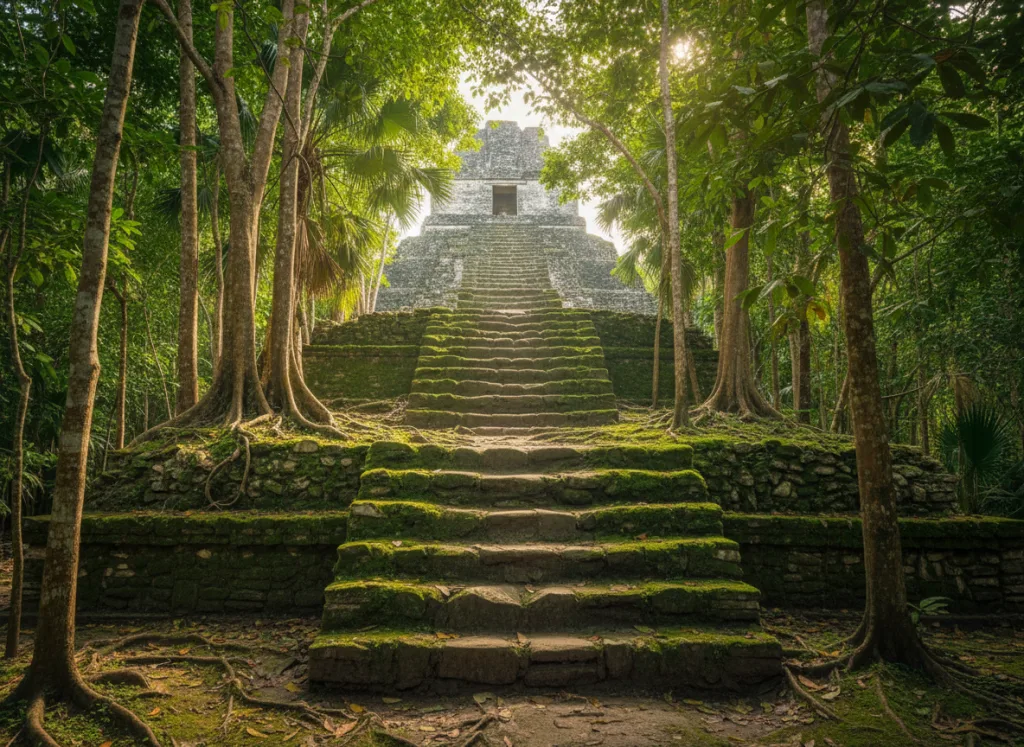
- Choose a nature-and-history day: a ruin visit, a cave/river experience, or a guided walk that adds context.
- Prioritize a guide who can explain the cultural and environmental story, not just point out landmarks.
- End with a slow dinner and a quiet evening.
Respect note: Belize’s heritage sites deserve care—follow rules, stay on paths, and avoid touching or removing anything.
Optional Day 6: River day, village flavors, and a second cultural layer
- Make this a “soft day”: river time, a cooking experience, or a community-centered tour.
- If you’re a food-focused traveler, this is a great day to learn more about Belizean flavors beyond the tourist menus.
Optional Day 7: Return to the sea (or stay inland and savor)
Use your final day to return to what felt most like you:
- Another reef day, but shorter
- A final cultural meal and market stop
- A slow morning with no plans and a thoughtful souvenir run
Slow-travel tip: your last day should feel like a gentle closing, not a sprint.
What to eat and drink (and what it says about Belize)
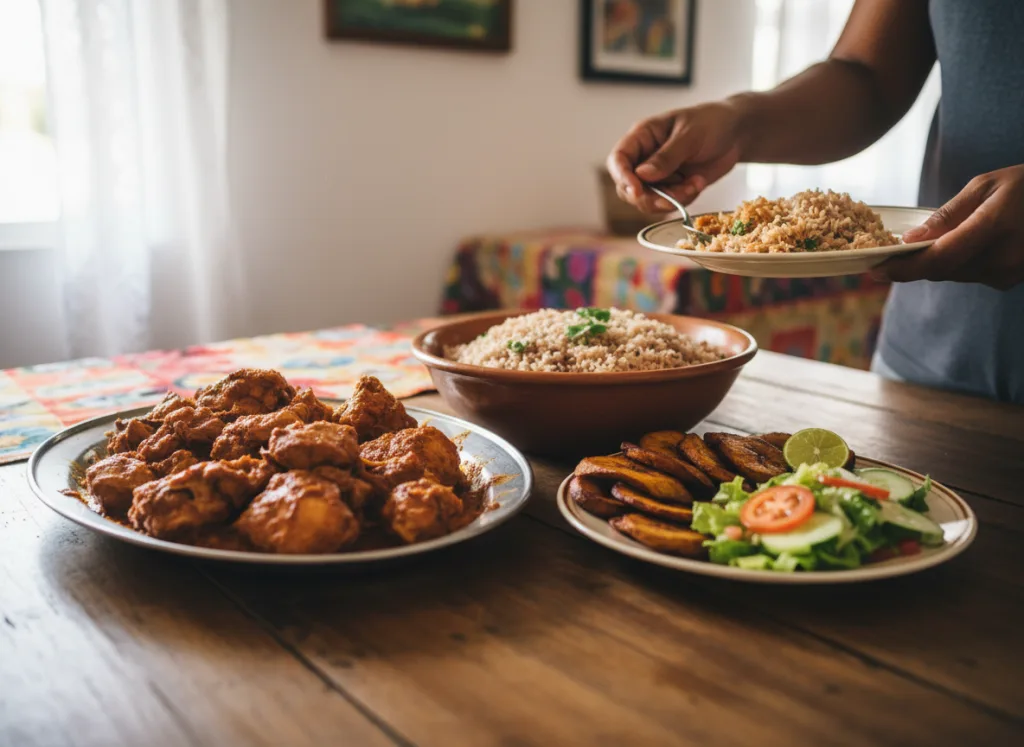
Belizean food reflects the country’s cultural layers—Garifuna, Creole, Maya, Mestizo, and more. Eating locally is one of the most respectful ways to travel here.
Look for:
- Garifuna dishes when you have the chance—especially meals connected to community and tradition
- Fresh seafood prepared simply
- Stews, rice-based plates, and local sides that show everyday Belize
- Tropical fruit and juices in season
Ordering tip: ask what’s made in-house and what’s local today. Then choose the dish that sounds like someone’s real lunch, not a tourist “sampler.”
How to travel respectfully in Belize
- Choose community-based experiences when possible. Your spending can support local livelihoods directly.
- Ask before photographing people. Especially during cultural activities.
- Be mindful with wildlife and reefs. Don’t touch coral, don’t feed animals, and follow guide instructions.
- Learn a little context. Even a small effort—understanding Garifuna heritage or Maya history—changes how you move through the country.
- Pack and dress with awareness. Belize is relaxed, but respectful attire matters in towns, villages, and cultural settings.
Practical planning tips (getting around, money, safety, timing)
Getting around:
Belize travel often involves a mix of road transfers, water taxis, and small flights depending on your route. For slow travel, prioritize fewer moves and longer stays.
Money:
Carry some cash for small vendors and local spots. Cards may be accepted in many places, but not everywhere—especially outside major tourist zones.
Timing:
Weather and sea conditions can affect plans. Build buffer time so you’re not stressed if an excursion shifts.
Safety:
Use standard travel awareness: keep valuables secure, be cautious late at night in unfamiliar areas, and follow local guidance for water activities and weather.
FAQ: Belize for slow travelers
How many days do I need in Belize to travel slowly?
Seven days is ideal for a two-base trip (sea + inland). Five days can work if you choose one main region and don’t try to “see it all.”
Should I do the cayes or inland?
If you can, do both—but keep it simple with two bases. If you must choose one, decide whether your priority is reef time (cayes) or rainforest/history (inland).
Is Belize good for culture-first travelers?
Yes—especially if you seek out community-based experiences and approach cultural heritage with respect and curiosity.
Do I need a guide for inland activities?
For many inland experiences, a guide adds safety and meaningful context. It’s also a way to support local expertise.
How do I keep Belize from feeling too tour-heavy?
Limit yourself to one main activity per day, build in rest, and prioritize meals, markets, and community-centered experiences over constant excursions.
In Closing
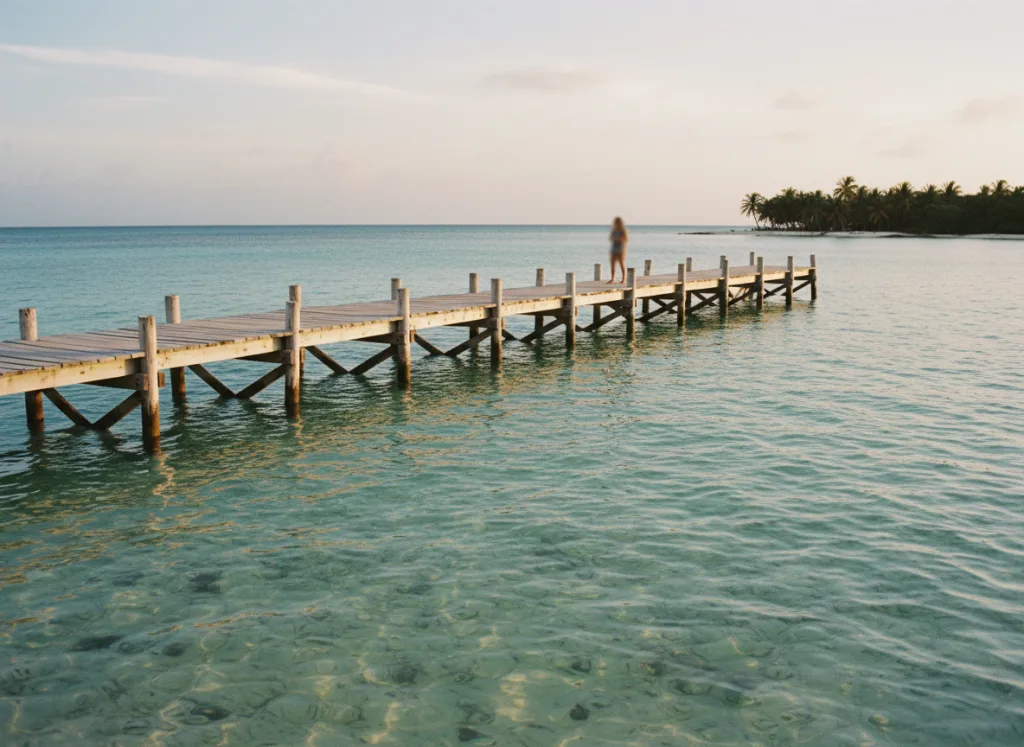
Belize has a way of meeting you where you are—especially when you give it time. When you travel slowly, the country becomes more than a checklist of reef stops and jungle excursions; it becomes a collection of small, meaningful moments you actually remember: a shared meal that teaches you something, a rhythm of drums that stays with you long after the day ends, a river bend that makes you stop talking for a minute, and sea days that feel genuinely restorative instead of rushed. If you’re planning your own culture-first Belize escape, explore more destination guides and slow-travel stories here on My Caribbean Moments—and if you’d like help shaping an itinerary that fits your pace, your interests, and the kind of Caribbean experience you’re truly looking for, contact us to start planning and book your trip.