Grenada for Slow Travelers: Spice Markets, Cocoa Trails, and Sea-Soft Days
Grenada doesn’t ask you to rush. It invites you to settle into the rhythm—warm greetings that turn into conversations, the scent of nutmeg in the air after a light rain, and a coastline that feels less like a backdrop and more like a companion. Known as the “Spice Isle,” Grenada is also a place where heritage and daily life are still closely braided: cocoa and cloves, fishing boats and family-owned rum shops, church bells and soca drifting from a passing car.
This guide is for travelers who want more than a quick loop of the highlights. You’ll find a culture-first, slow-travel approach to Grenada—built around neighborhoods, markets, food, and nature—plus practical tips to help you plan with respect and ease.
Why Grenada is perfect for slow travel
Grenada rewards attention. The island’s “must-sees” are lovely, but the real magic often lives in the in-between: a morning spent at a produce stall learning what’s in season, a lingering lunch where the owner tells you how their family has cooked the same dish for generations, a short drive that turns into a scenic stop because someone insists you see “the view from right there.”
Slow travel works here because:
- Food culture is deeply local. Spices, cocoa, fresh fish, and home cooking aren’t “experiences”—they’re everyday life.
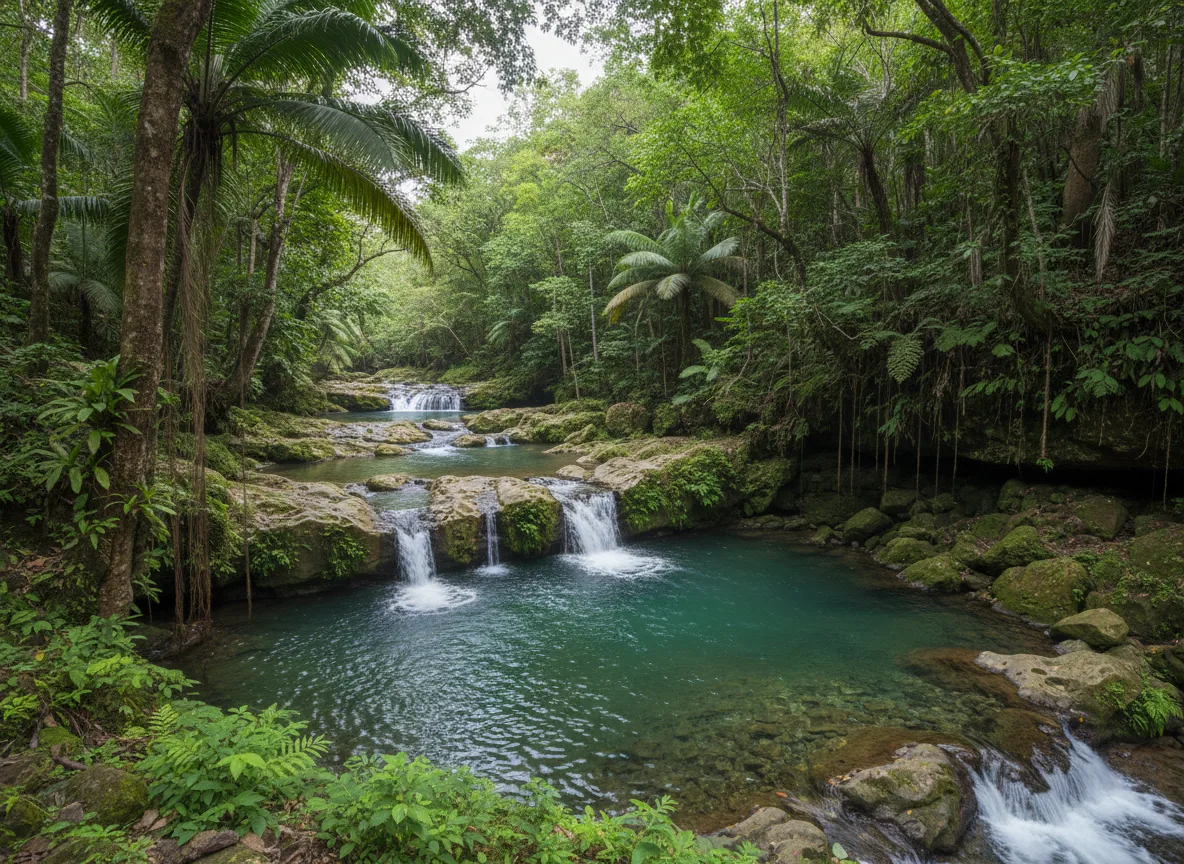
- Nature is accessible without being overproduced. Waterfalls, rainforest trails, and coastal viewpoints are within reach, especially when you plan for unhurried days.
- Community still shapes the travel experience. A respectful, curious approach often opens doors to genuine connection.
Where to base yourself (and why it matters)
Choosing the right base helps you travel slower because you’ll spend less time commuting and more time actually being present.
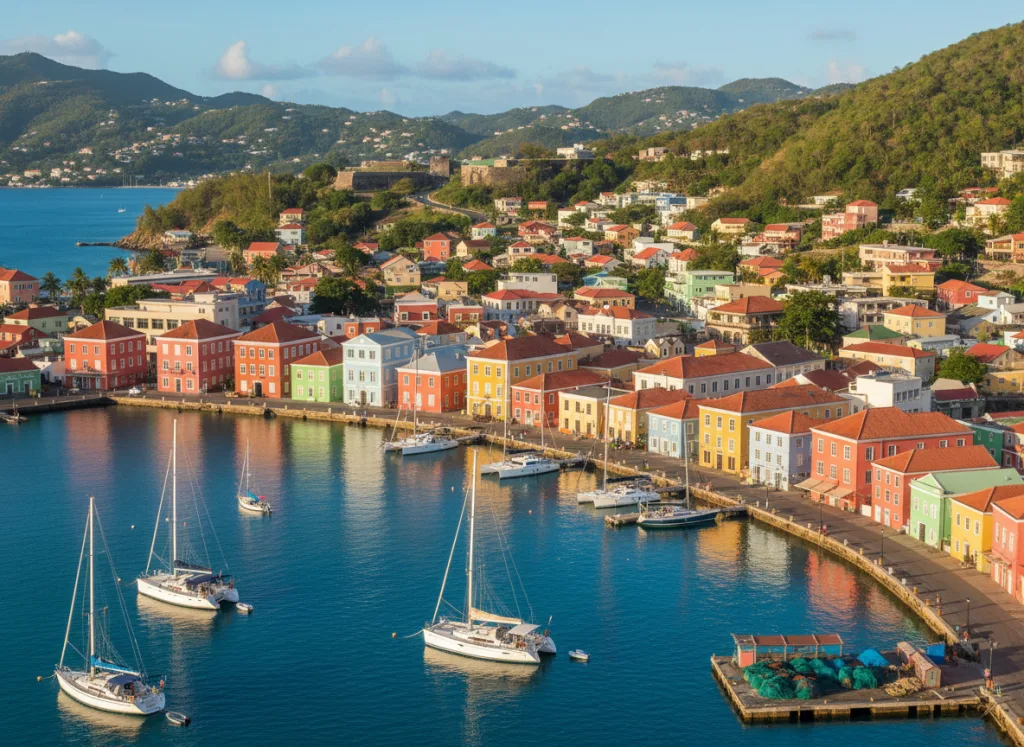
St. George’s (town + harbor area):
Best if you want walkability, history, local eateries, and easy access to markets. It’s a strong choice for travelers who want culture close at hand.
Grand Anse (and nearby areas):
Convenient for beach time and a wide range of accommodations. To keep it slow-travel friendly, balance beach days with market mornings and inland nature.
A quieter coastal village base:
If your goal is rest and local rhythm, consider a smaller community feel. You’ll trade some convenience for a calmer pace—and often a deeper sense of place.
Slow-travel tip: pick one primary base and do day trips rather than hopping hotels every other night.
A 5–7 day slow-travel itinerary for Grenada
This itinerary is designed to feel spacious. You can do it in 5 days by combining a couple of lighter days, or stretch it to 7 by adding more beach time and longer meals (which, in Grenada, is never a bad idea).
Day 1: Arrive, orient, and take your first slow walk
- Check in and take a gentle walk to get your bearings.
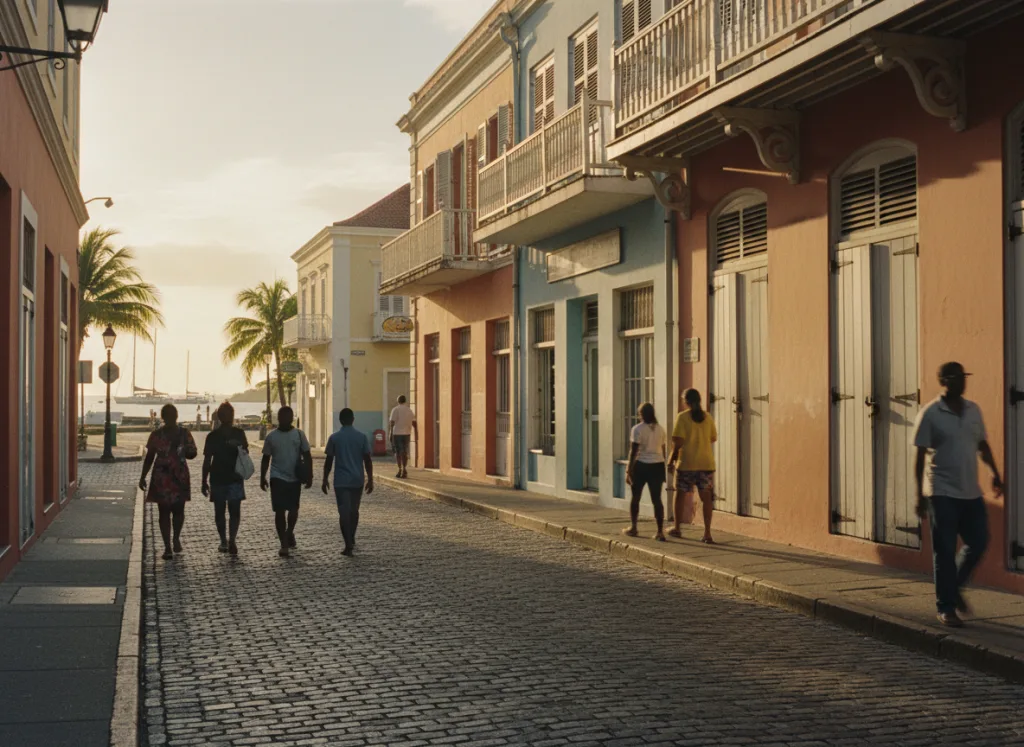
- If you’re near St. George’s, spend time around the harbor—watch the boats, notice the architecture, and let your first evening be simple.
- Choose a casual dinner where locals actually eat. Order something you recognize, then ask what’s best today.
Slow-travel win: resist the urge to “start strong.” Your first day sets the tone.
Day 2: Market morning + St. George’s at human speed
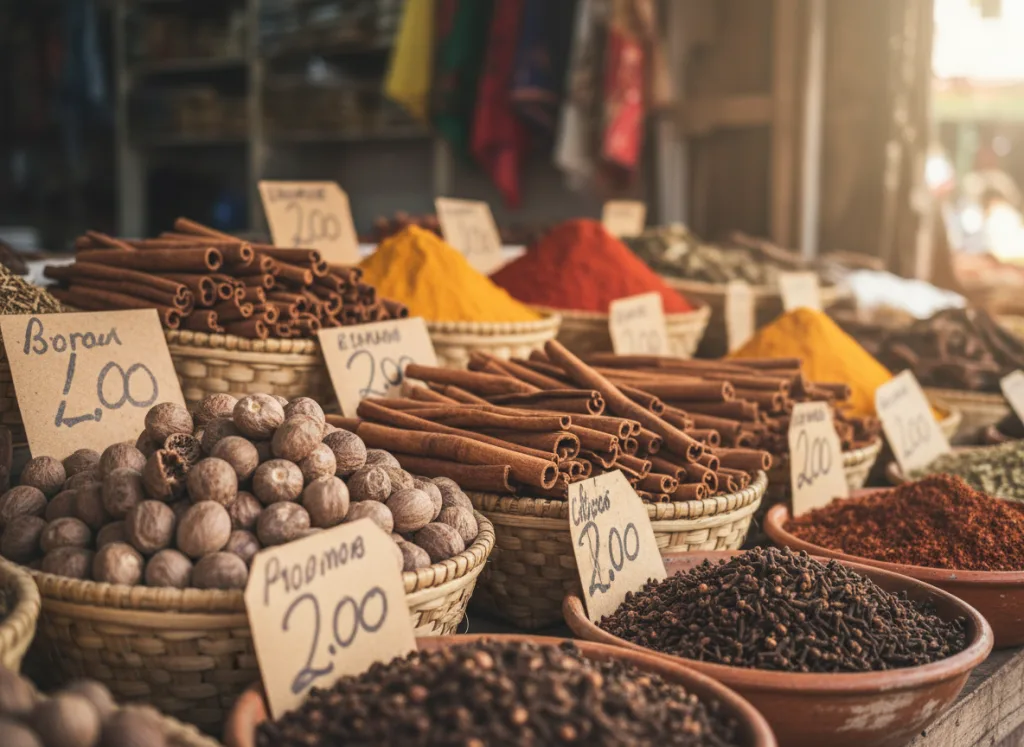
- Start with a market morning—go early, go curious, and go with patience.
- Look for spices, seasonal fruit, and local snacks. If you’re comfortable, ask vendors what’s in season and how they use it at home.
- Spend the afternoon exploring St. George’s slowly: small shops, viewpoints, and a long pause for something cold to drink.
Cultural note: markets are working spaces. Be mindful with photos—ask first, and buy something if you’re taking up time.
Day 3: Cocoa and craft—taste the island’s story
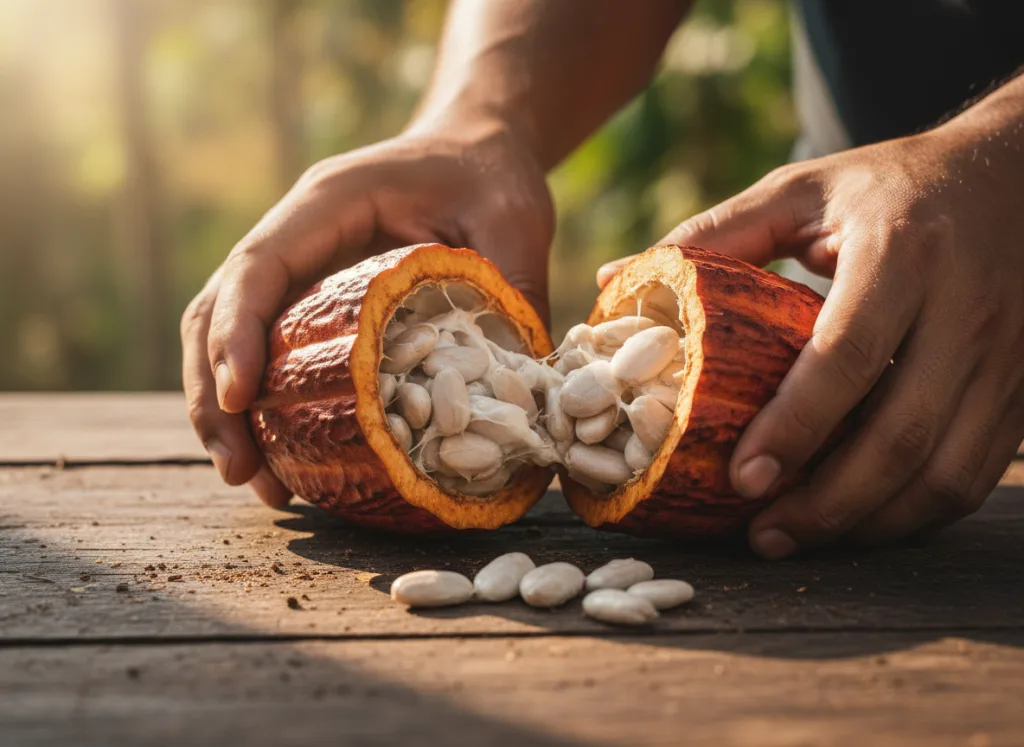
Grenada’s cocoa culture is one of the most meaningful ways to understand the island beyond the beach.
- Plan a cocoa-focused day: visit a chocolate maker or cocoa estate experience where you can learn about the process and the people behind it.
- Pair it with a stop for local lunch—something hearty and unpretentious.
- Keep the evening open: a slow dinner, a short sunset walk, early rest.
Slow-travel tip: choose one “anchor experience” per day (like cocoa) and let everything else be flexible.
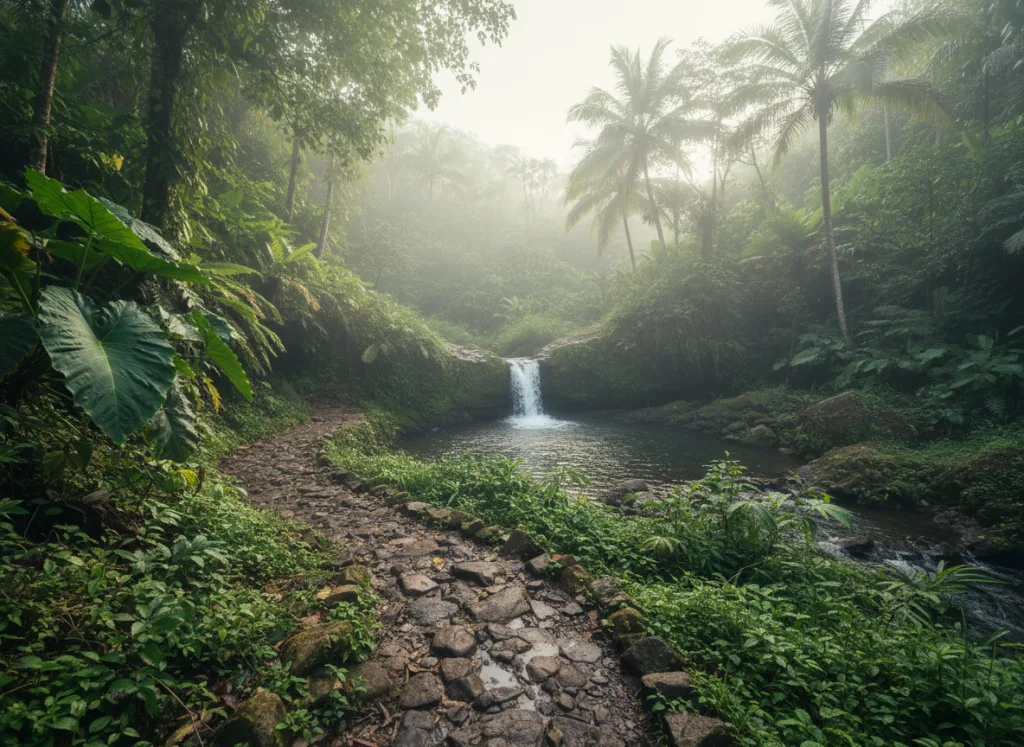
Day 4: Waterfalls, rainforest air, and a quiet reset
- Head inland for a waterfall or rainforest trail day.
- Bring proper shoes, water, and a light rain layer—tropical weather changes quickly.
- After your hike, plan a low-key afternoon: a nap, a book, a long swim, or a simple meal.
Respect note: if you hire a local guide, you’re not just paying for navigation—you’re supporting local knowledge and safety.
Day 5: Beach day—done the slow way
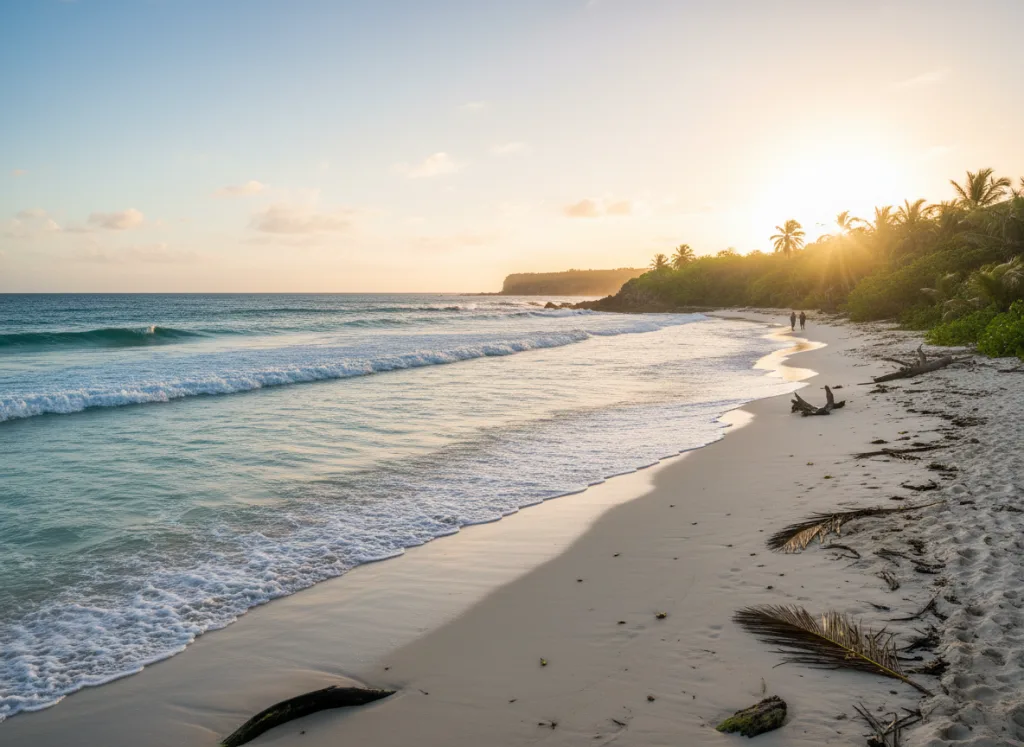
Grenada has beach time, of course. The slow-travel version looks like:
- A late start and a long morning.
- A beach you can actually relax on (not just photograph).
- A lunch that isn’t rushed.
- A late afternoon that feels like it belongs to you.
If Grand Anse is busy, ask locals about quieter alternatives nearby. The best recommendations are often the ones you don’t find on the first page of search results.
Optional Day 6: Carriacou or a second island-feel day
If your schedule allows and conditions cooperate, consider a day that gives you a different texture of Grenada’s identity—whether that’s a smaller-island feel, a sailing day, or a community-centered experience.
Keep it simple: one main plan, plenty of buffer.
Optional Day 7: A “favorite things” day + thoughtful souvenirs
Use your final day to return to what you loved most:
- Another market visit for spices or cocoa to bring home
- A second walk through St. George’s
- A final meal at the place that felt most like “your Grenada”
Slow-travel tip: buy souvenirs that support local makers—spices, cocoa products, crafts—rather than generic imports.
What to eat and drink (with cultural context)
Grenada’s flavors tell stories—of agriculture, trade, migration, and family tradition.
Look for:
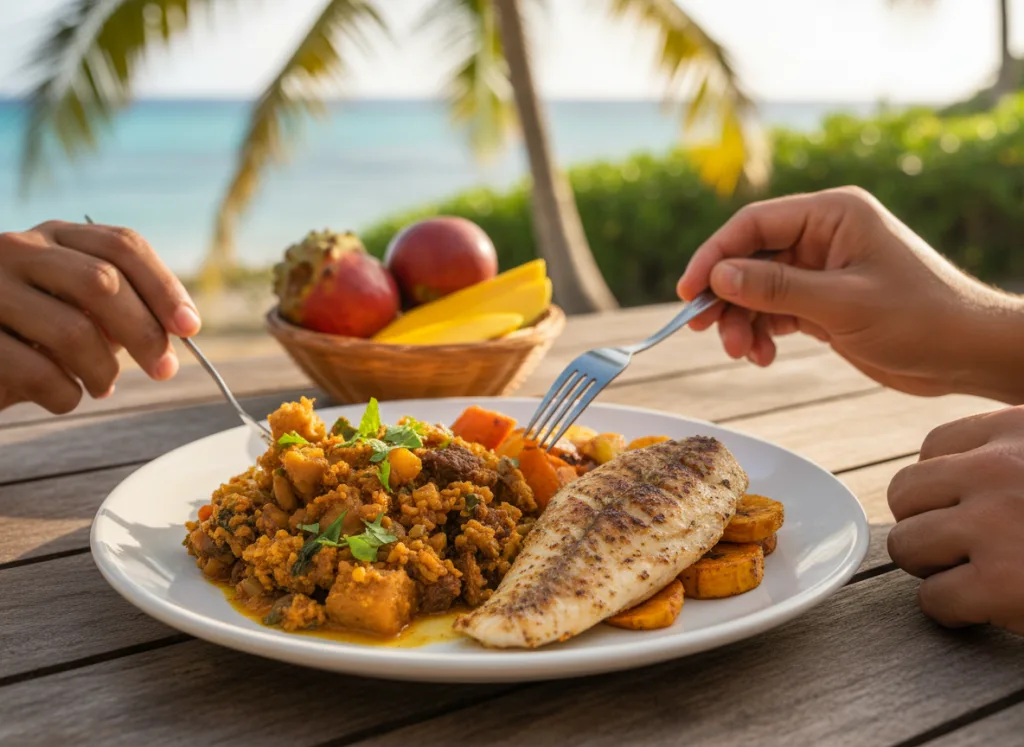
- Spice-forward dishes and sauces that reflect the island’s identity
- Cocoa and chocolate in forms that go beyond sweets—ask what’s locally made
- Fresh seafood prepared simply and well
- Local juices and fruit when they’re in season
Ordering tip: if you’re unsure what to try, ask: “What do you recommend that’s local today?” Then follow it with: “How do you usually eat this at home?”
How to travel respectfully in Grenada
Slow travel is respectful travel when you do it with intention.
- Ask before photographing people. A smile and a simple request goes a long way.
- Be mindful in markets and small shops. These are livelihoods, not attractions.
- Learn a little context. Even a small effort—asking about ingredients, traditions, or local history—changes the tone of your trip.
- Support local businesses. Choose locally owned tours, eateries, and makers when possible.
- Dress with awareness. Beachwear belongs at the beach; towns and markets call for a more everyday, community-appropriate look.
Practical planning tips (timing, transport, money, safety)
When to go:
Grenada is appealing year-round, but your ideal timing depends on what you want most—festivals, calmer weather, or fewer crowds. If you’re planning around specific cultural events, build in extra time so the experience doesn’t feel rushed.
Getting around:
- For slow travelers, a mix of taxis/drivers + a few planned day trips can be easier than trying to do everything yourself.
- If you rent a car, plan shorter driving days and avoid stacking too many stops.
Money:
Carry some cash for markets and small vendors. For larger expenses, cards may be accepted depending on the business.
Safety:
Use common-sense travel awareness: keep valuables secure, be cautious late at night in unfamiliar areas, and follow local guidance on weather and sea conditions.
FAQ: Grenada for slow travelers
How many days do I need in Grenada to travel slowly?
Five days is a solid minimum for a culture-first trip. Seven days gives you breathing room for nature, beach time, and deeper local experiences.
Is Grenada just beaches?
No. Beaches are part of the story, but Grenada’s spice and cocoa culture, markets, and inland landscapes are what make the island feel layered.
Do I need a guide for nature activities?
Not always, but for certain trails or waterfall areas, a local guide can improve safety and add cultural and environmental context.
What’s the best way to experience Grenada’s food culture?
Start with the market, eat at locally loved spots, and choose at least one cocoa or chocolate experience that explains the island’s agricultural heritage.
How do I avoid a “touristy” trip?
Slow down, spend time in everyday places (markets, local eateries, town walks), and choose experiences that are locally owned and community-connected.
In Closing
Grenada has a way of meeting you where you are—especially when you give it time. When you travel slowly, the island becomes more than a checklist of beaches and big-name stops; it becomes a collection of small, meaningful moments you actually remember: the scent of nutmeg on the breeze, a market conversation that turns into a recommendation, the quiet satisfaction of tasting cocoa where it’s grown, and a stretch of coast that feels like it belongs to the day. If you’re planning your own culture-first Grenada escape, explore more destination guides and slow-travel stories here on My Caribbean Moments—and if you’d like help shaping an itinerary that fits your pace, your interests, and the kind of Caribbean experience you’re truly looking for, contact us to start planning and book your trip.