


Dominican Republic for Slow Travelers: Culture, Cacao, and Quiet Coastlines Beyond the All-Inclusive
The Dominican Republic is often introduced through the ease of an all-inclusive stay, but that version of the island is only one chapter. Travel it slowly and the country opens up in layers: historic streets where daily life and heritage share the same sidewalks, cacao landscapes that tell a story of land and labor, and coastlines that feel quieter when you choose places built for lingering. This guide is for travelers who want to connect with the Dominican Republic in a way that’s culturally respectful, unhurried, and genuinely memorable.
A slower way to know the Dominican Republic
The Dominican Republic is often introduced through the lens of all-inclusive convenience, but the island rewards travelers who move with intention. Slow travel here is about choosing depth over speed: lingering in historic streets, learning the story behind what’s on your plate, and making space for the everyday life that sits just beyond the resort gates.
This guide is designed for culturally curious travelers who want the Dominican Republic to feel personal—rooted in place, respectful of community, and full of small moments that stay with you.
Start in Santo Domingo: history you can feel
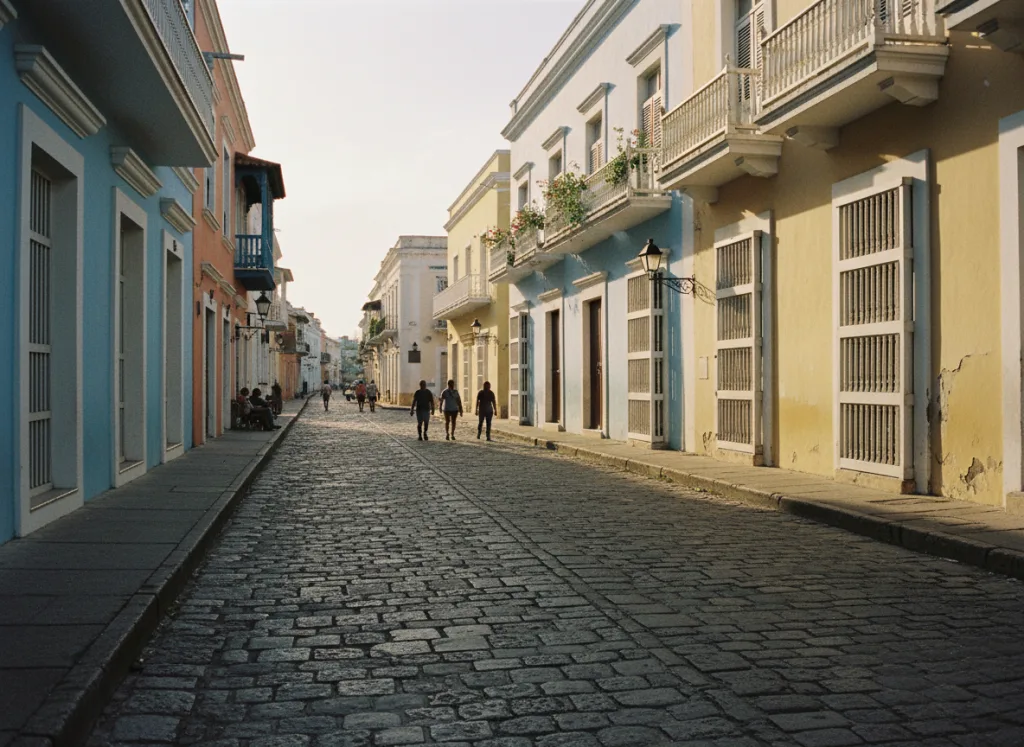
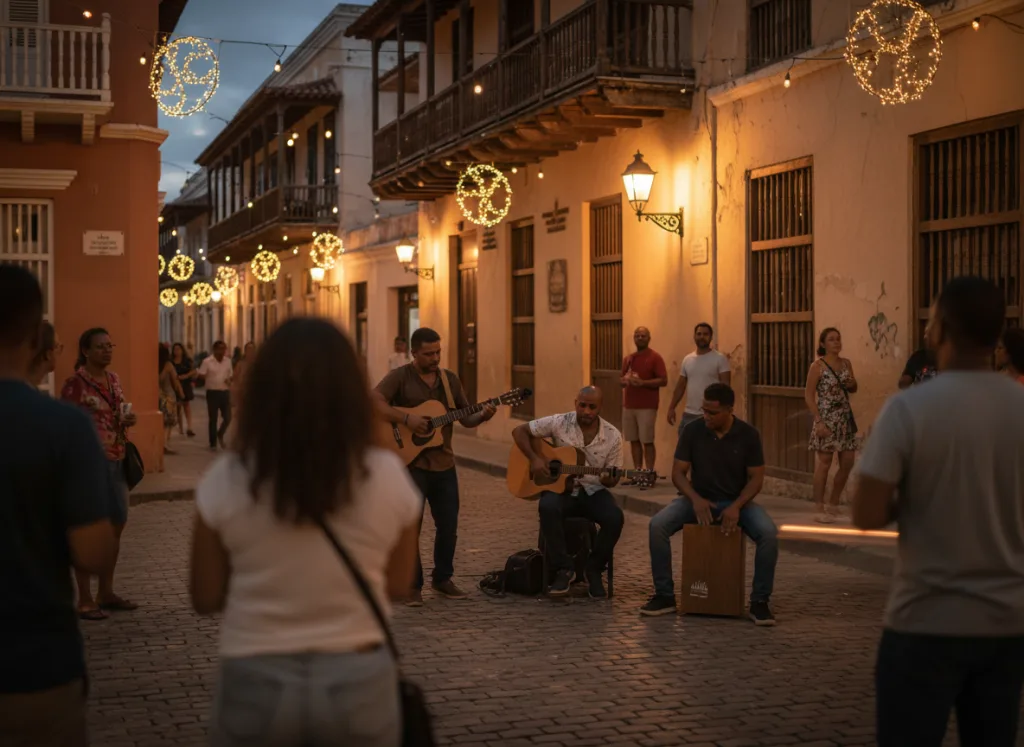
Begin in Santo Domingo, where the past isn’t a museum piece—it’s part of the city’s pulse. Spend time in the Colonial Zone with a “walk slow” mindset: step into courtyards, pause for street music, and notice how the city shifts from morning to evening.
Slow-travel ways to experience Santo Domingo:
- Prioritize a walking day with long breaks for coffee or fresh juice.
- Choose locally owned restaurants that highlight Dominican staples (think plantains, stews, seafood, and seasonal fruit).
- Visit cultural spaces that center Dominican identity beyond the postcard version.
Respect note: In historic neighborhoods and churches, dress modestly and keep your voice low—especially when locals are using the space for worship or daily routines.
Follow the cacao story (and why it matters)
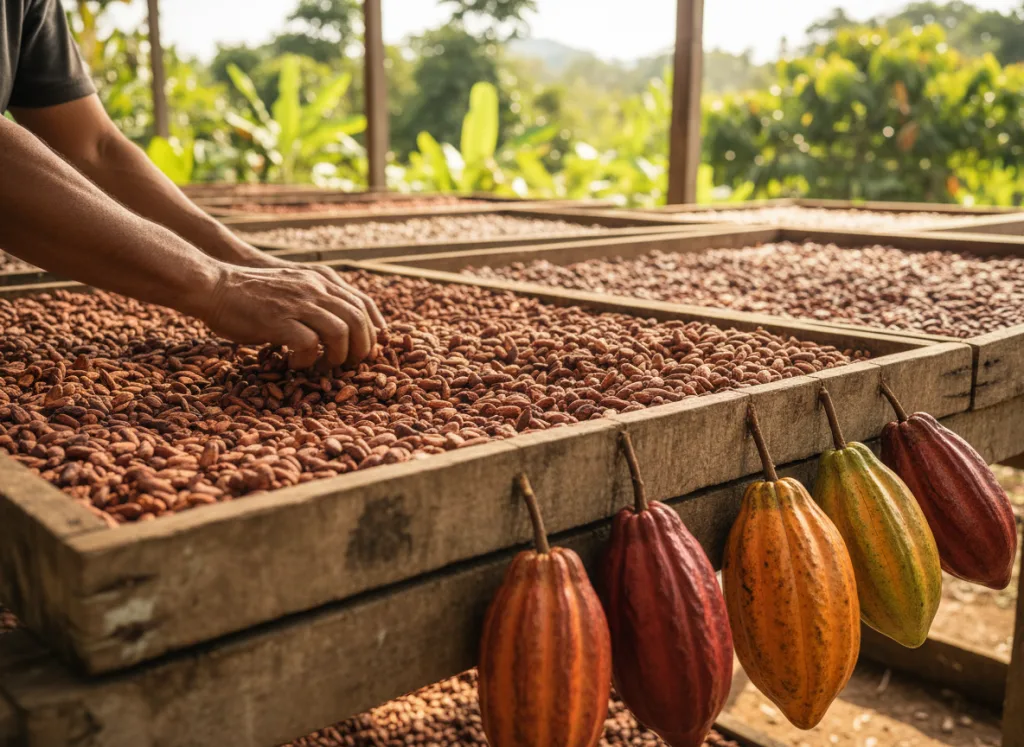
Cacao is more than a treat in the Dominican Republic—it’s a living agricultural story tied to land, labor, and community. A slow-travel approach means seeking out experiences that explain the process and the people behind it.
What to look for in a cacao experience:
- A farm or cooperative visit that explains cultivation, fermentation, and drying.
- A tasting that connects flavor to region (like wine, but with cacao).
- A guide who speaks about sustainability and fair compensation.
Why it’s worth your time: You’ll leave with a deeper understanding of Dominican rural life—and you’ll be supporting experiences that keep value closer to the communities producing what the world consumes.
Trade the resort strip for quieter coastlines
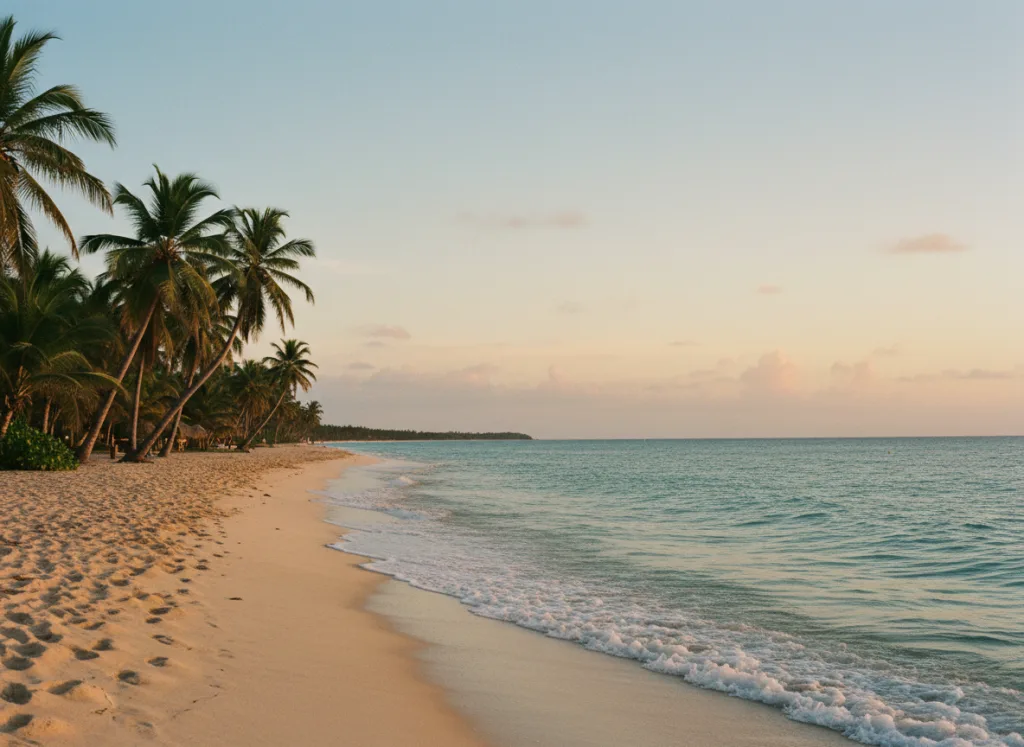
If you want beach time that feels restorative (not rushed), choose a coastline where the day has room to breathe. The Samaná Peninsula is a strong option for travelers who want nature, water, and a calmer pace.
Slow-travel beach principles:
- Plan fewer “must-do” activities and give yourself long, open afternoons.
- Choose one or two anchor experiences (a boat day, a hike, a local food stop) instead of stacking excursions.
- Keep your spending local where possible—small restaurants, local guides, and community-based experiences.
Add a mountain interlude: cool air, local rhythm
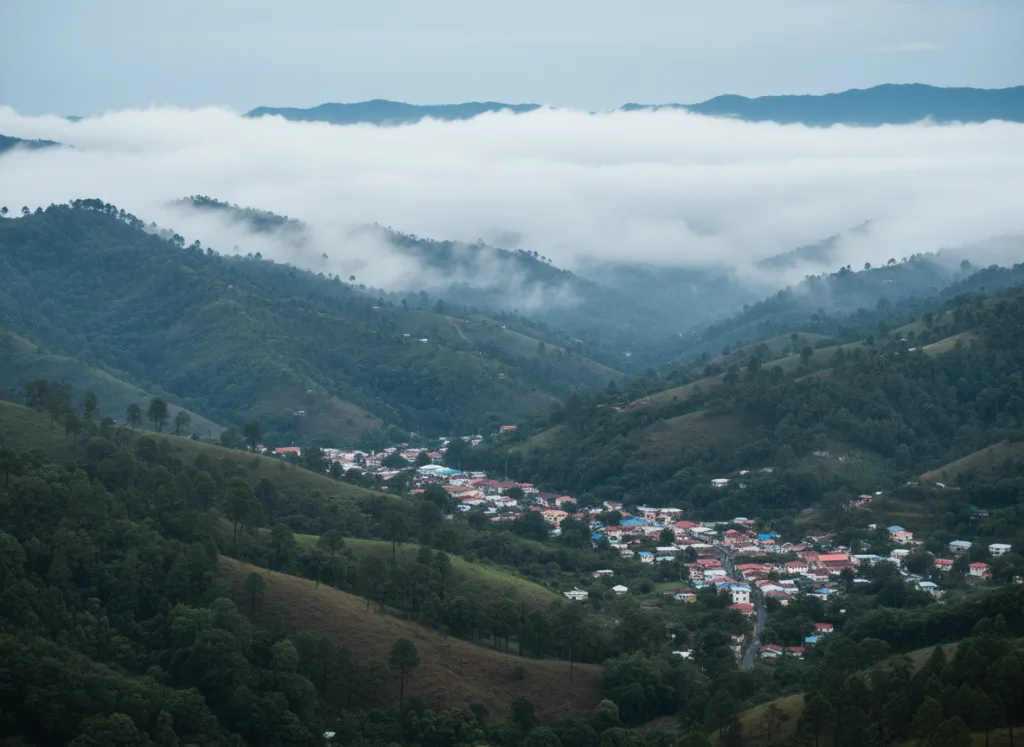
The Dominican Republic’s interior brings a different kind of beauty—cooler temperatures, green landscapes, and town life that moves at its own pace. Places like Jarabacoa can be a refreshing contrast to coastal heat and a great reset in the middle of your trip.
What “slow” looks like in the mountains:
- Morning walks with coffee and a view.
- One outdoor activity per day (not three).
- Evenings that end early—because the next day starts with fresh air.
Practical planning notes (transport, timing, etiquette)
A smoother trip is often a slower trip.
Getting around:
- Build in buffer time between regions. Roads and transfers can take longer than expected.
- Consider a private driver for longer hops if you value ease and local insight.
When to go:
- Shoulder seasons can offer a calmer feel and better value.
- If you’re traveling during peak holiday periods, book lodging early and plan for busier roads.
Cultural etiquette:
- Learn a few Spanish basics—greetings go a long way.
- Ask before photographing people, especially in rural areas.
- Tip fairly and kindly; it’s part of supporting local livelihoods.
A simple 7-day slow-travel itinerary
Use this as a flexible framework—swap regions based on your interests.
- Day 1: Arrive + settle in (no big plans)
- Day 2: Santo Domingo walking day + long lunch + evening music
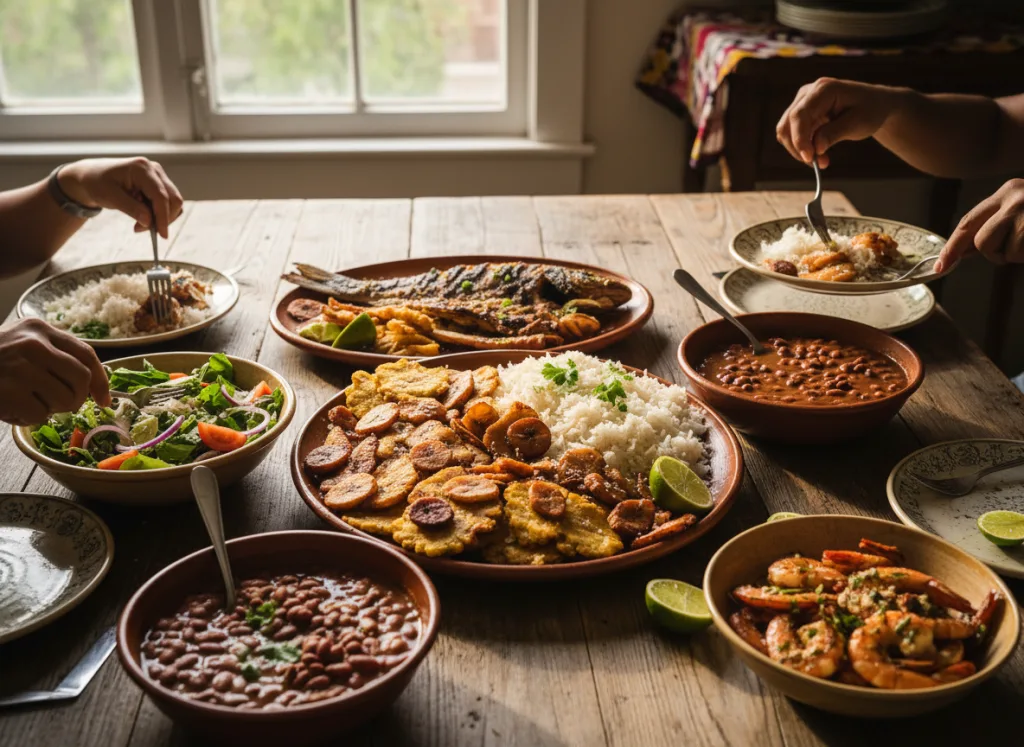
- Day 3: Cultural day (museums, markets, neighborhood food)
- Day 4: Transfer day + quiet dinner + early night
- Day 5: Cacao-focused experience + tasting
- Day 6: Beach day with one anchor activity
- Day 7: Slow morning + departure
FAQ
Is the Dominican Republic only for all-inclusive vacations? No. All-inclusives are common, but the country has rich cultural, culinary, and nature experiences that are best enjoyed with a slower pace.
Where should I go for a quieter beach experience? The Samaná Peninsula is a strong option for travelers who want a calmer vibe and nature-forward days.
Do I need Spanish to travel well? Not strictly, but basic greetings and polite phrases improve every interaction and show respect.
How many regions should I visit in one week? Two is usually plenty for slow travel: one city/cultural base and one nature/coast or mountain base.
Closing thoughts
The Dominican Republic has a way of meeting you where you are—especially when you give it time. When you travel slowly, the island becomes more than a checklist of beaches and big-name stops; it becomes a collection of small, meaningful moments you actually remember: a conversation, a flavor, a song drifting through the evening air, a quiet stretch of coast that feels like it belongs to the day. If you’re planning your own culture-first Dominican Republic escape, explore more destination guides and slow-travel stories here on My Caribbean Moments—and if you’d like help shaping an itinerary that fits your pace, your interests, and the kind of Caribbean experience you’re truly looking for, contact us to start planning and book your trip.


